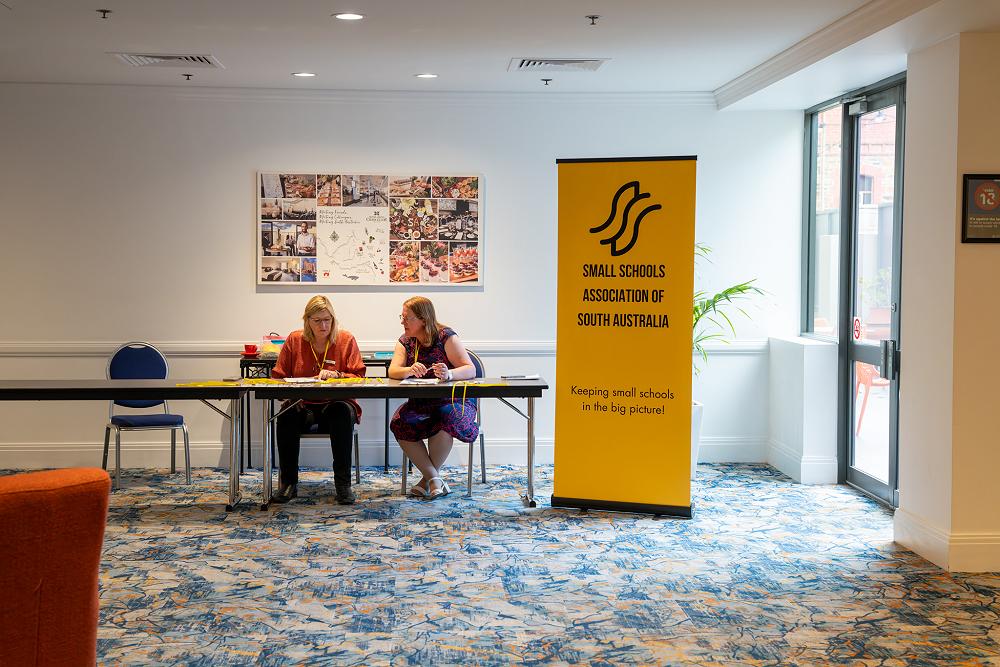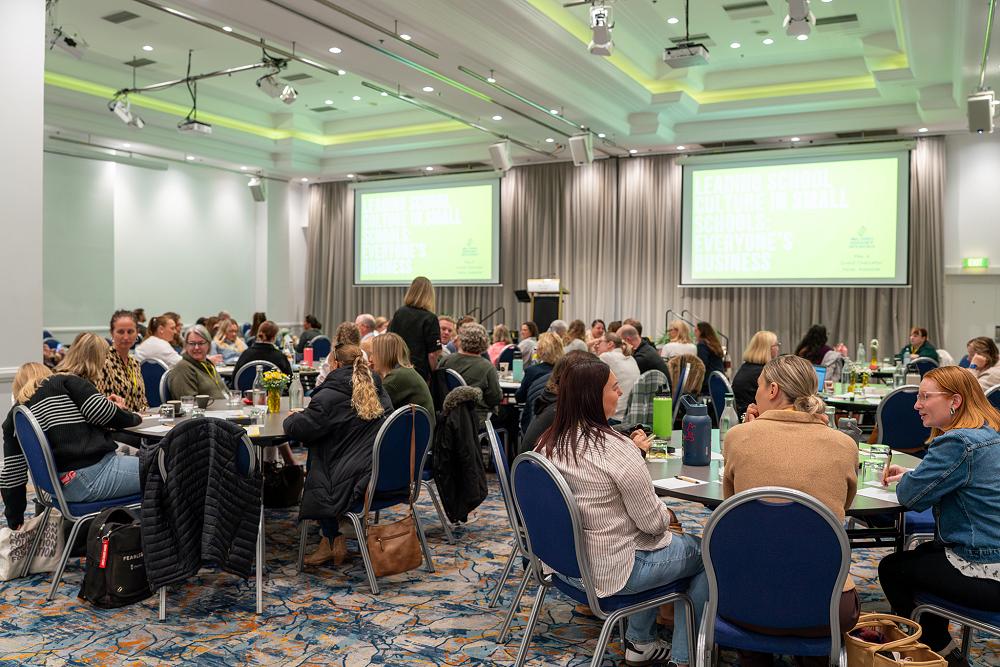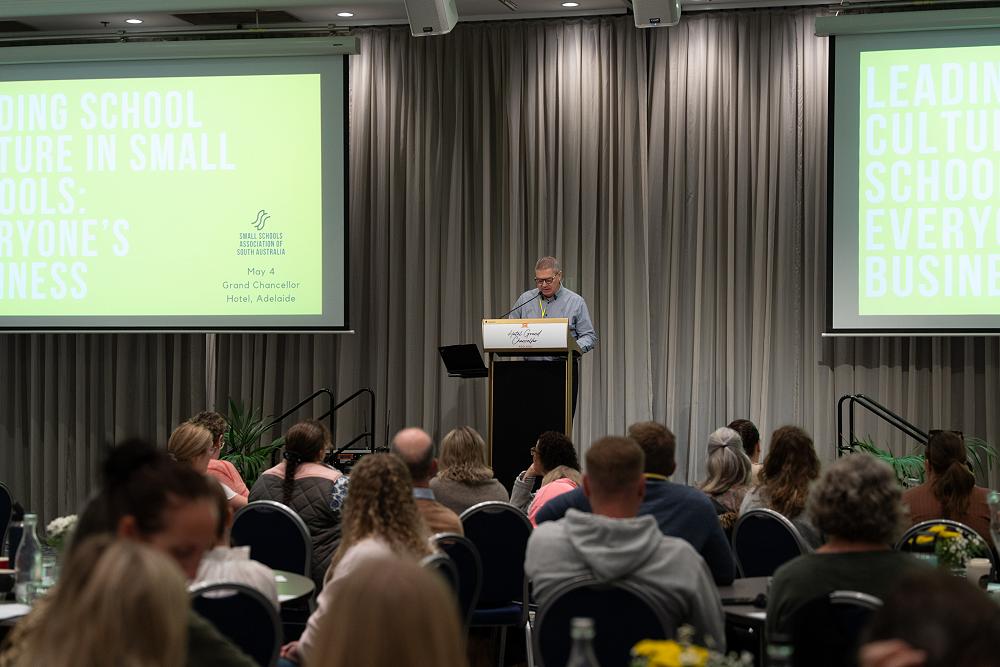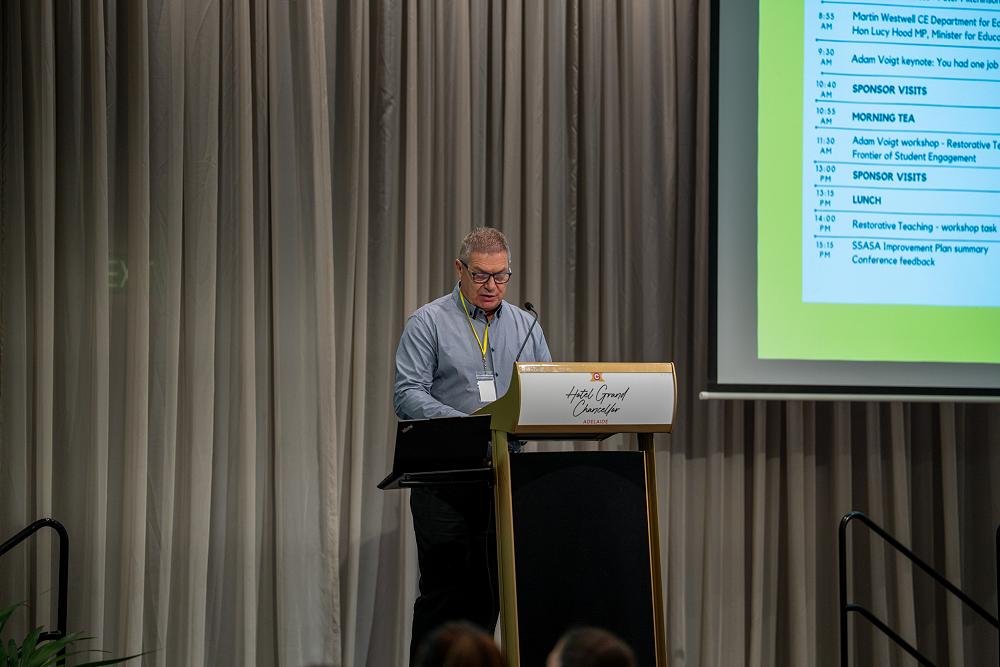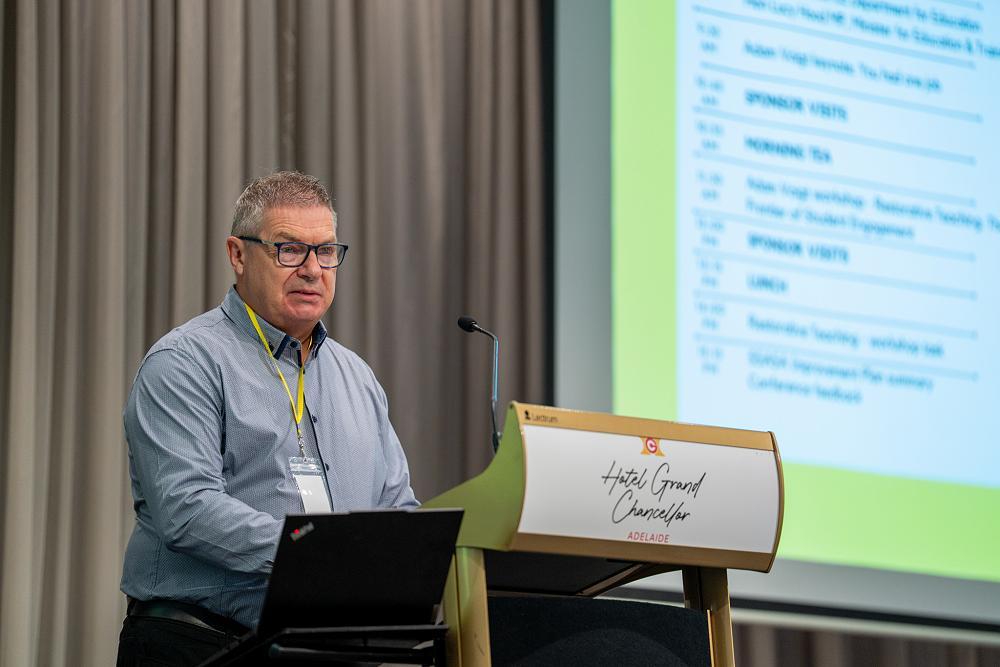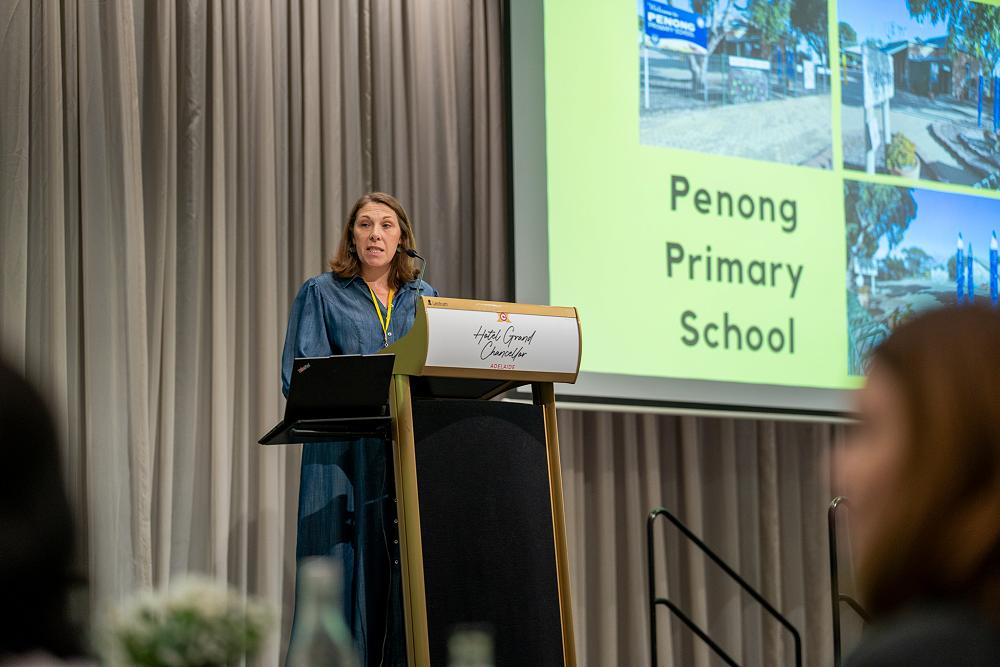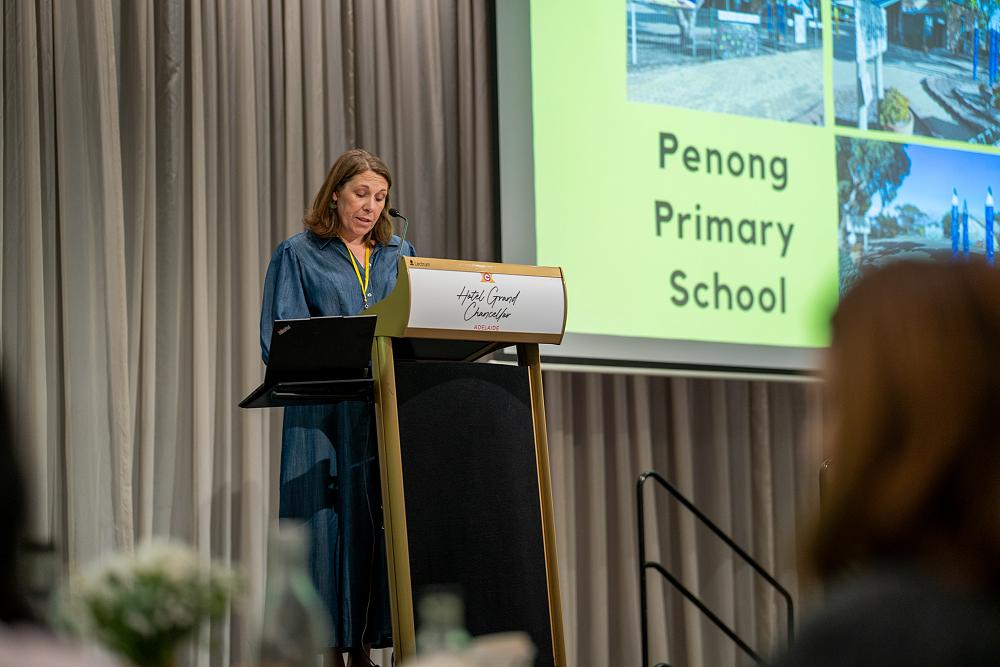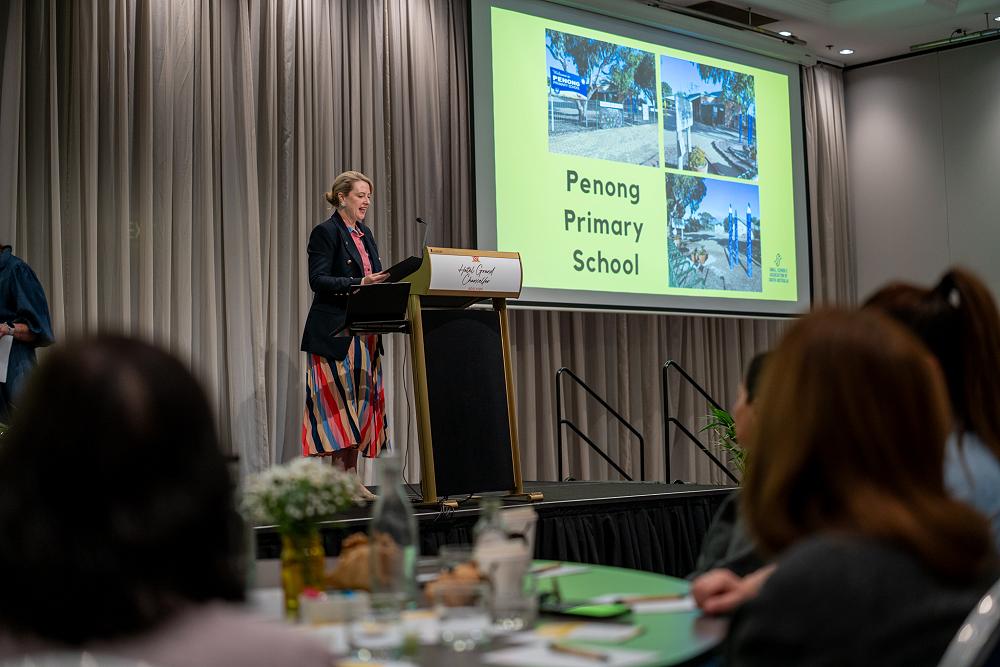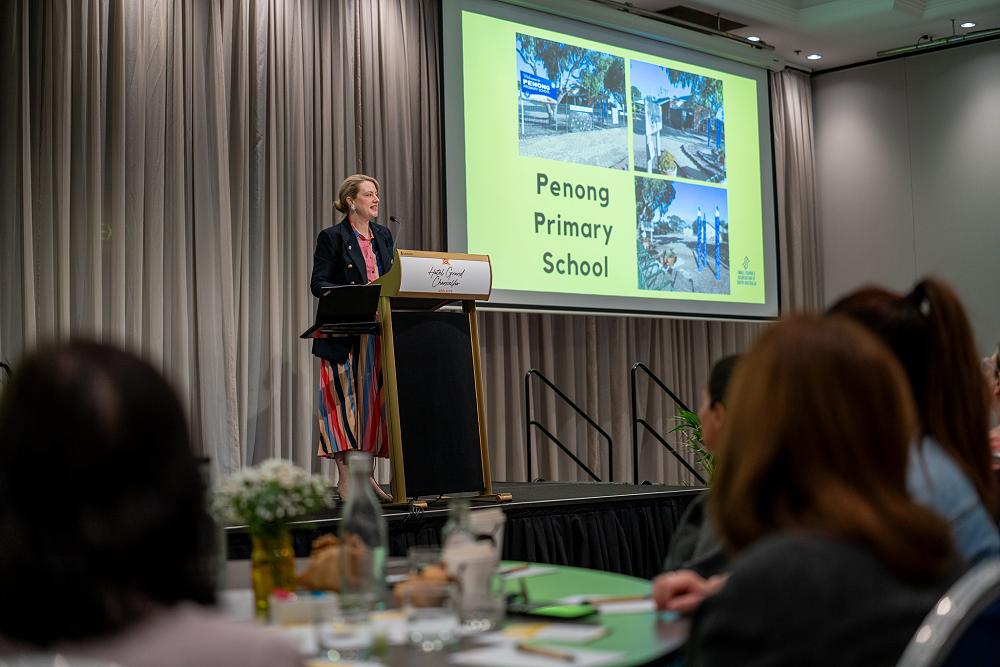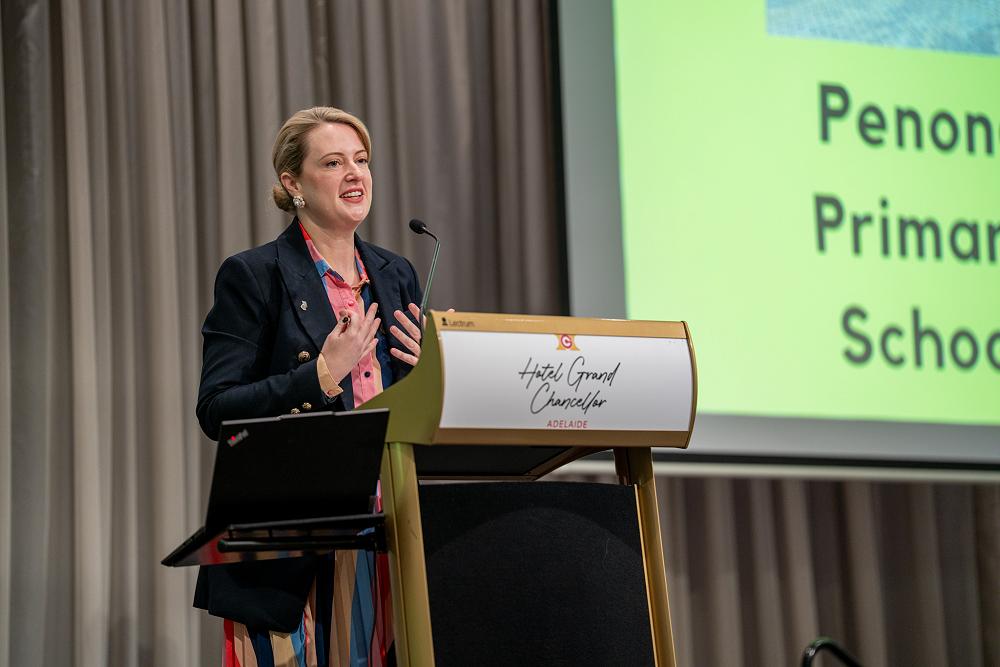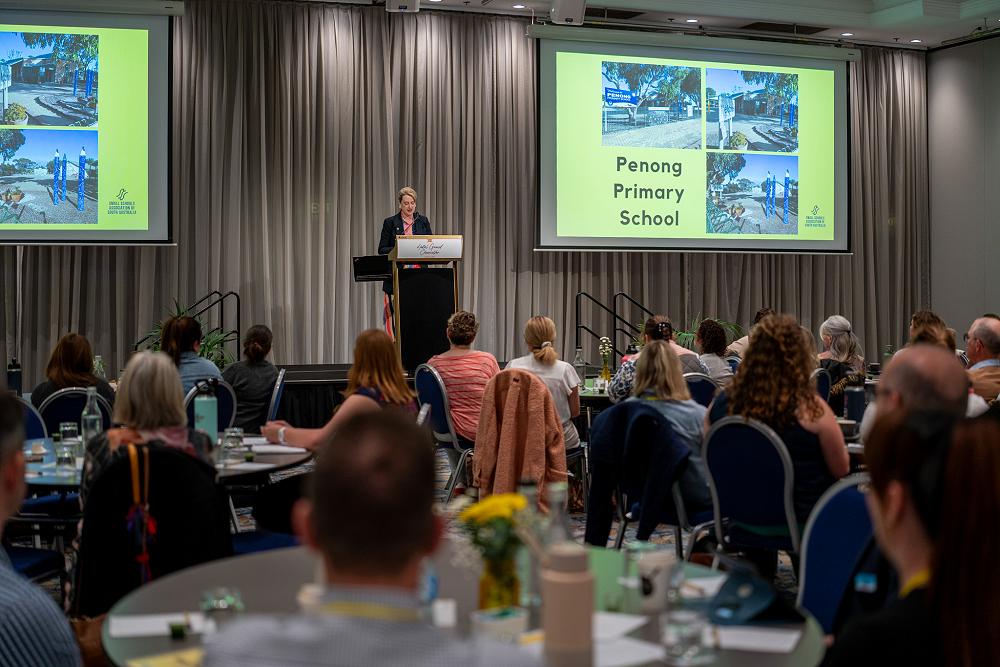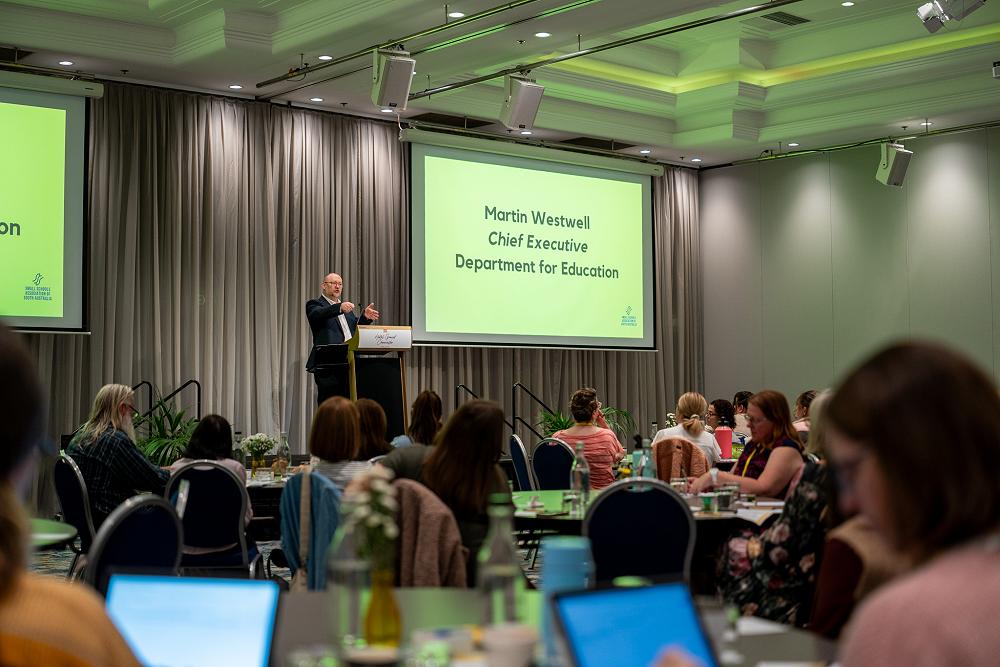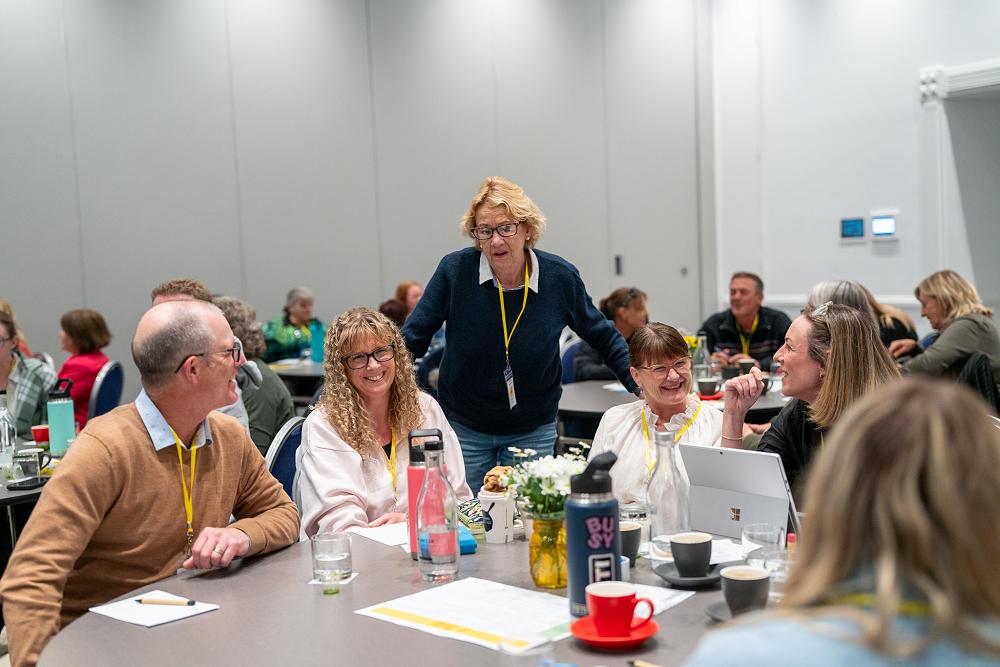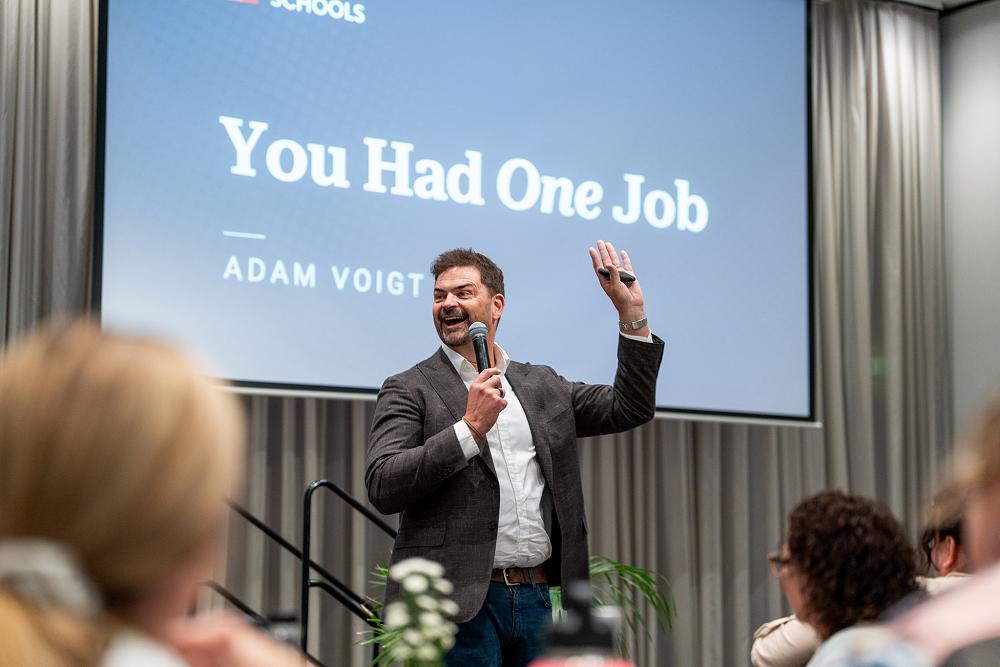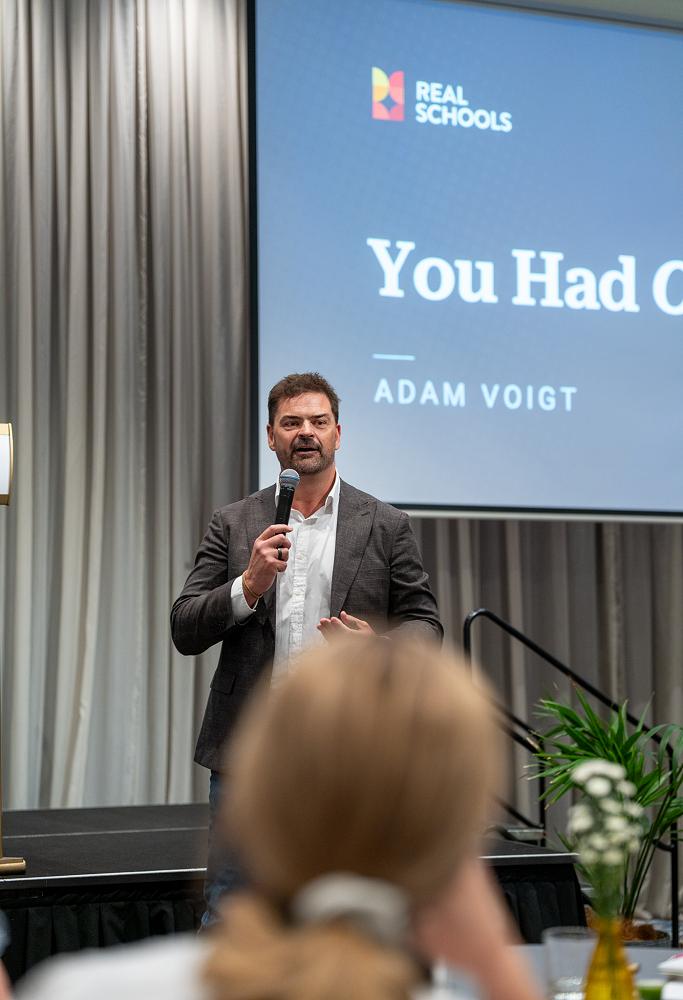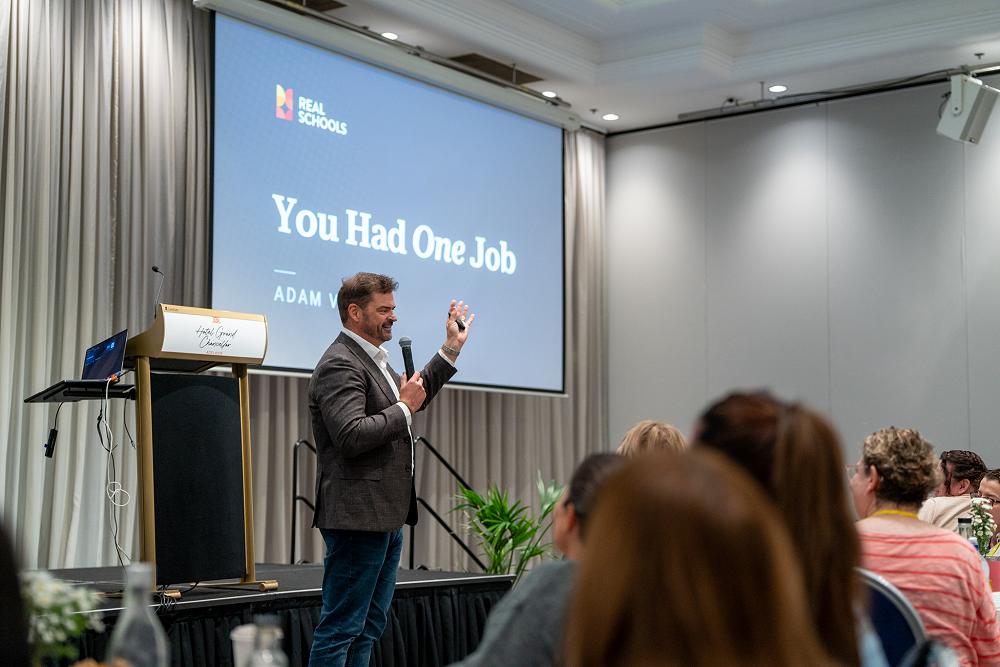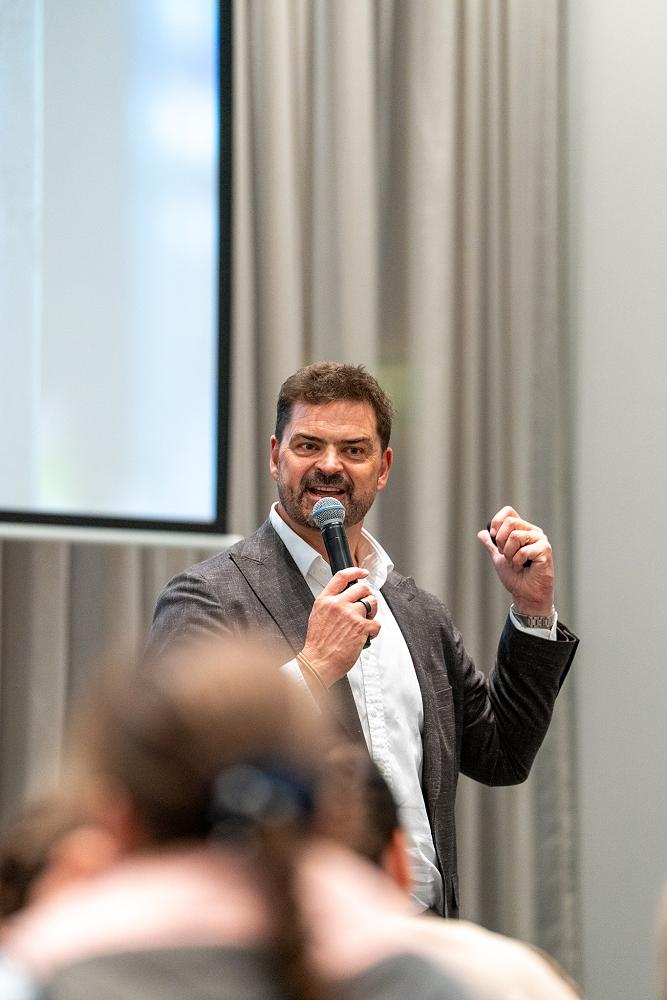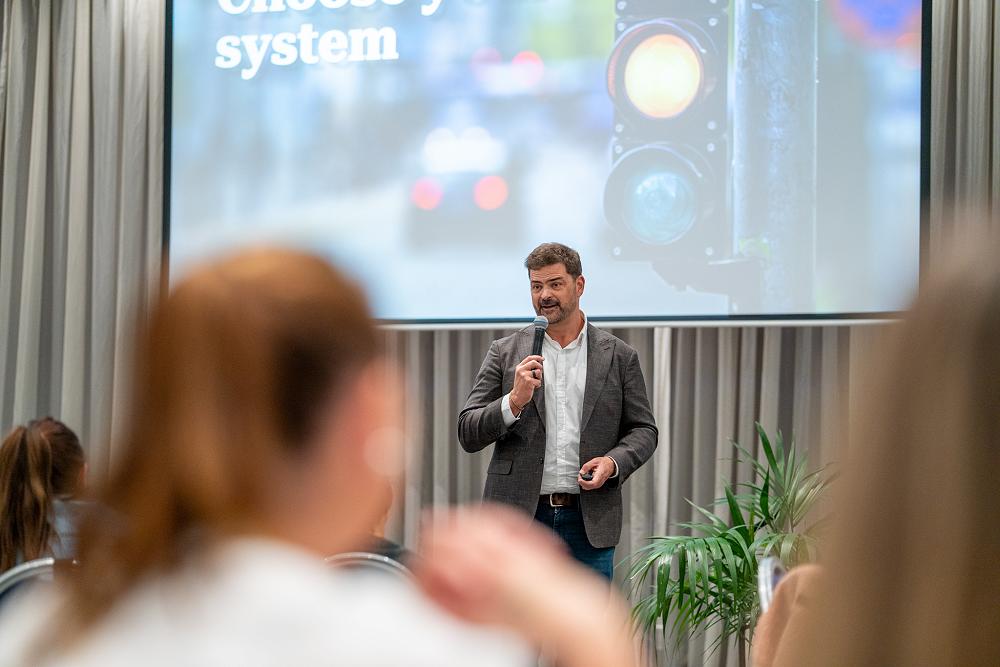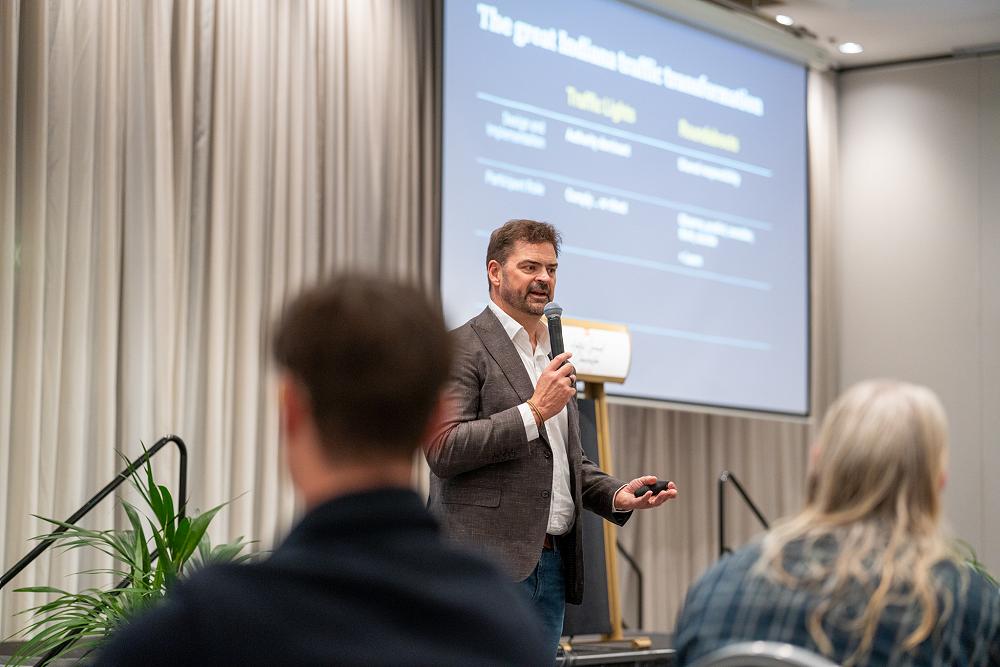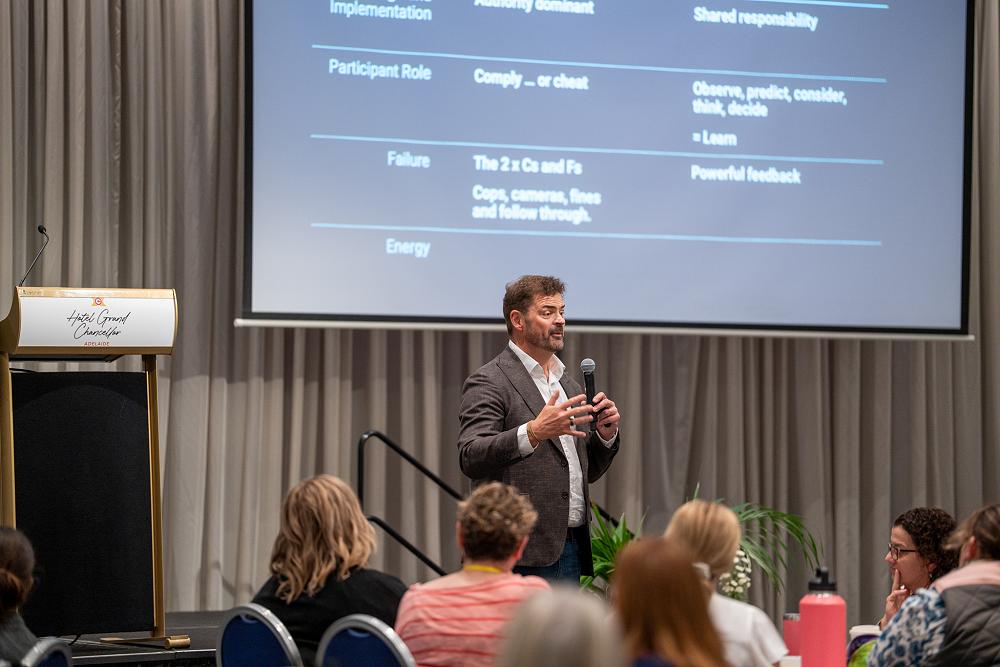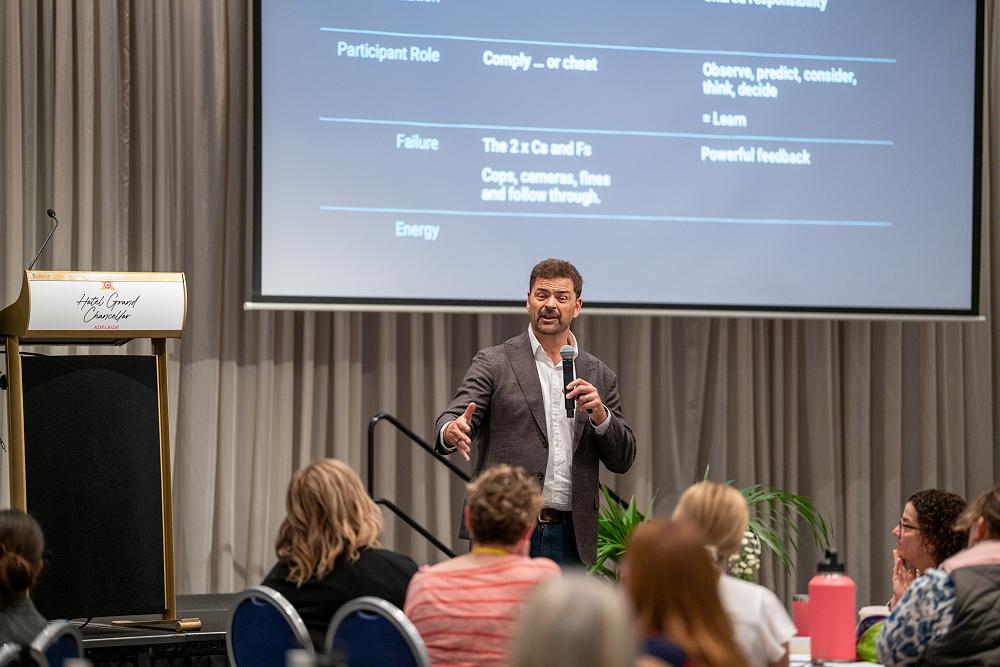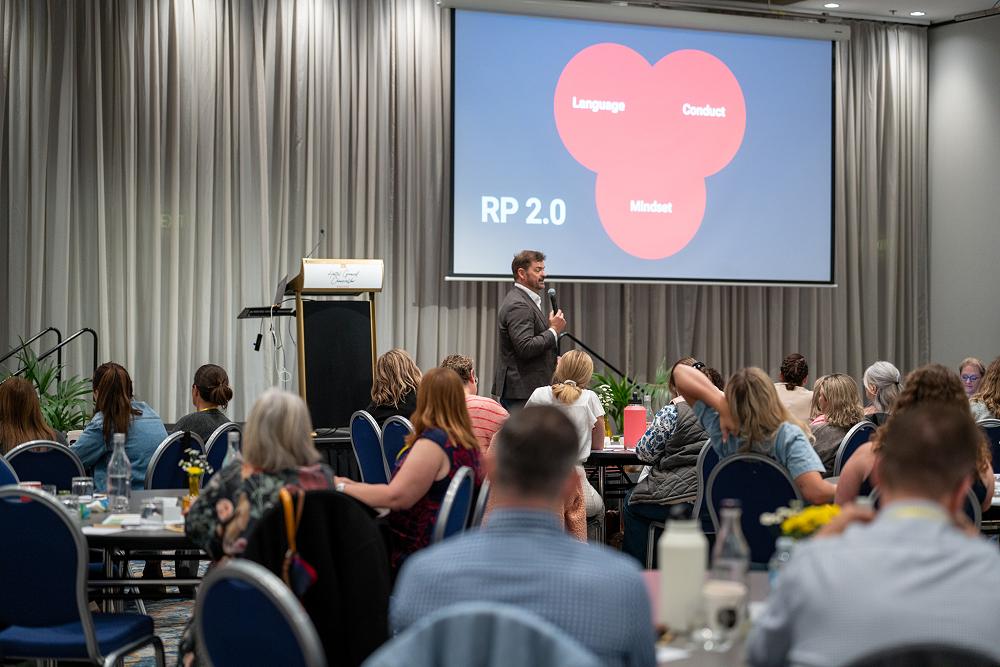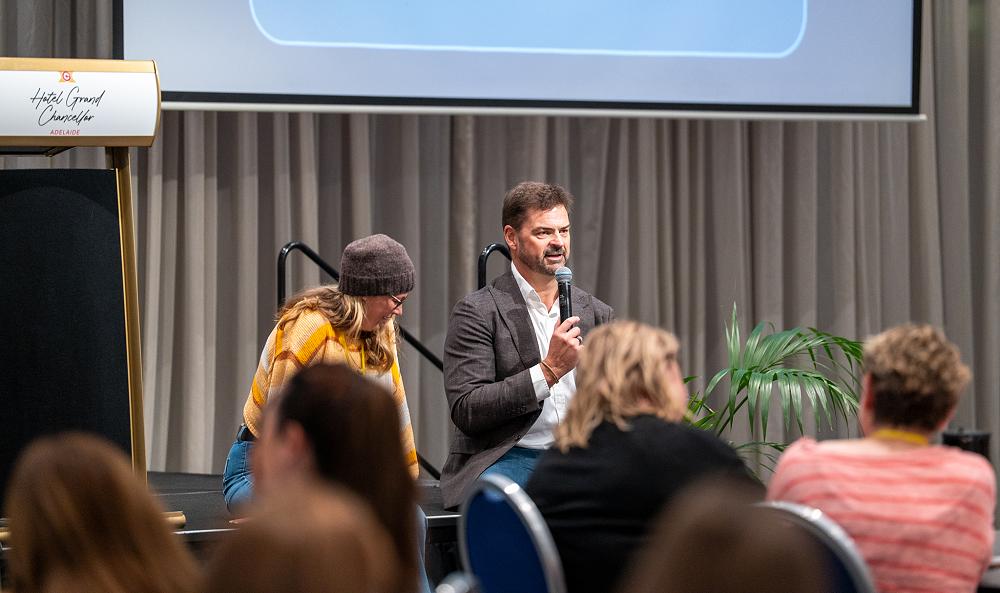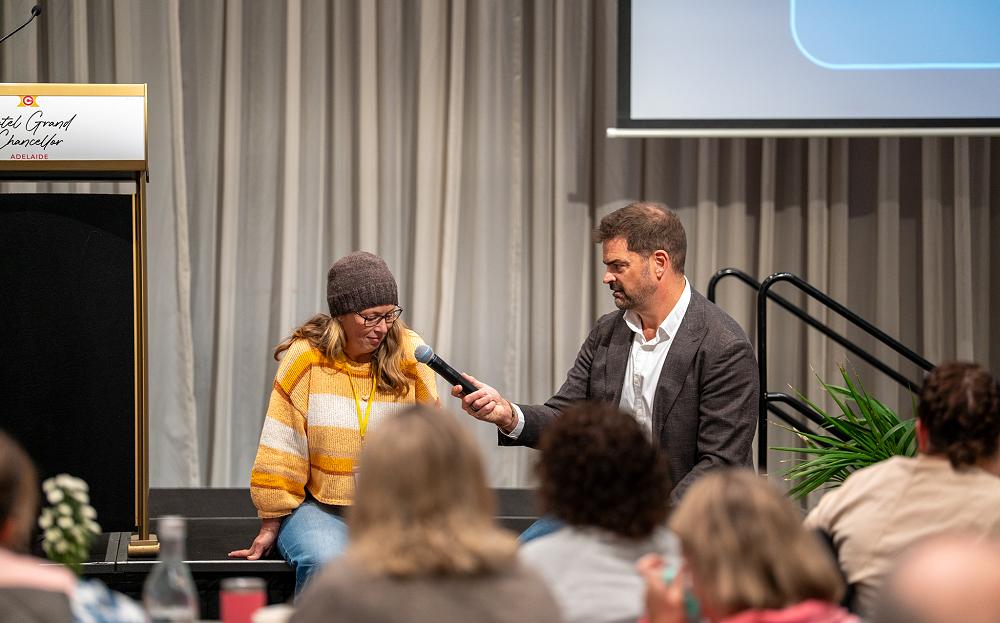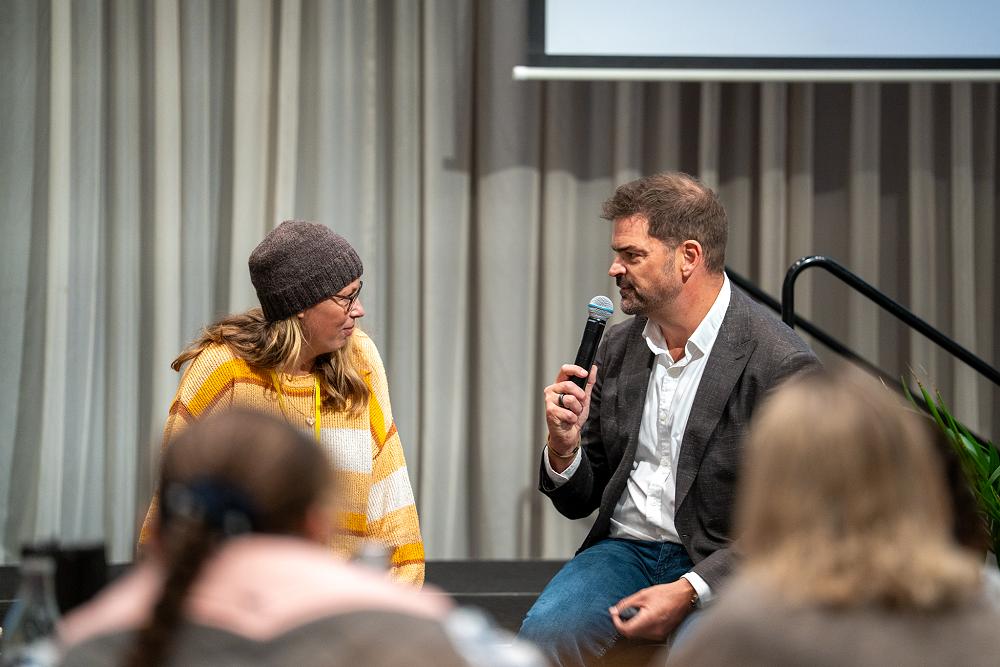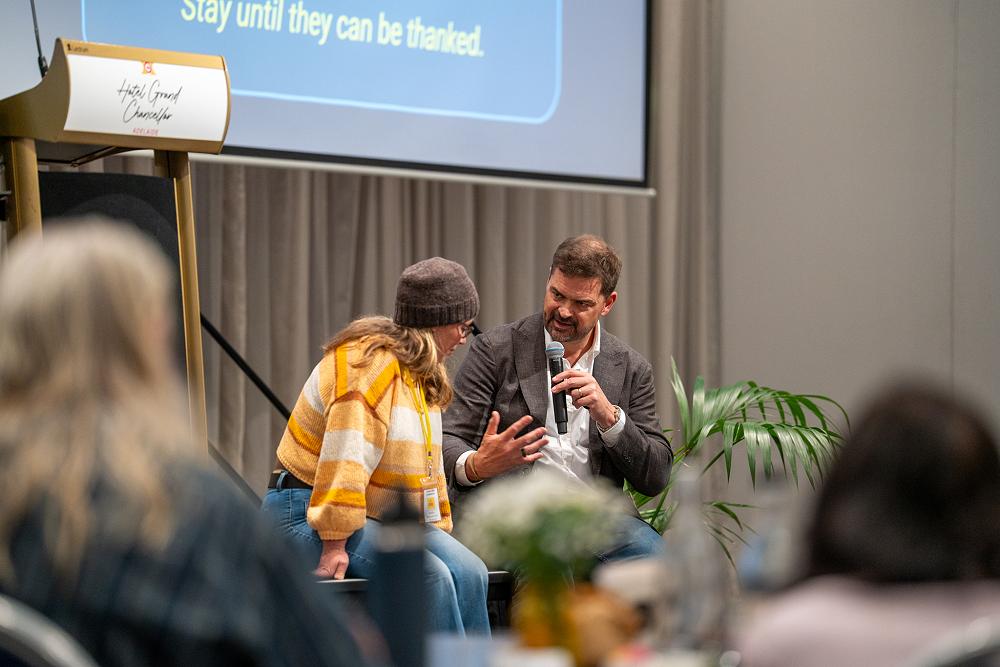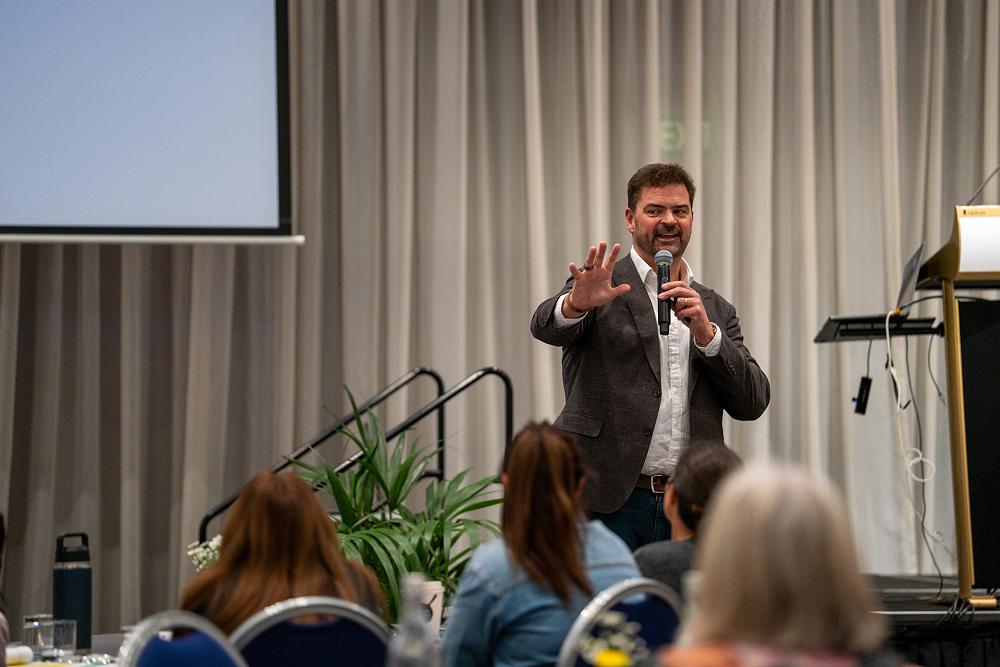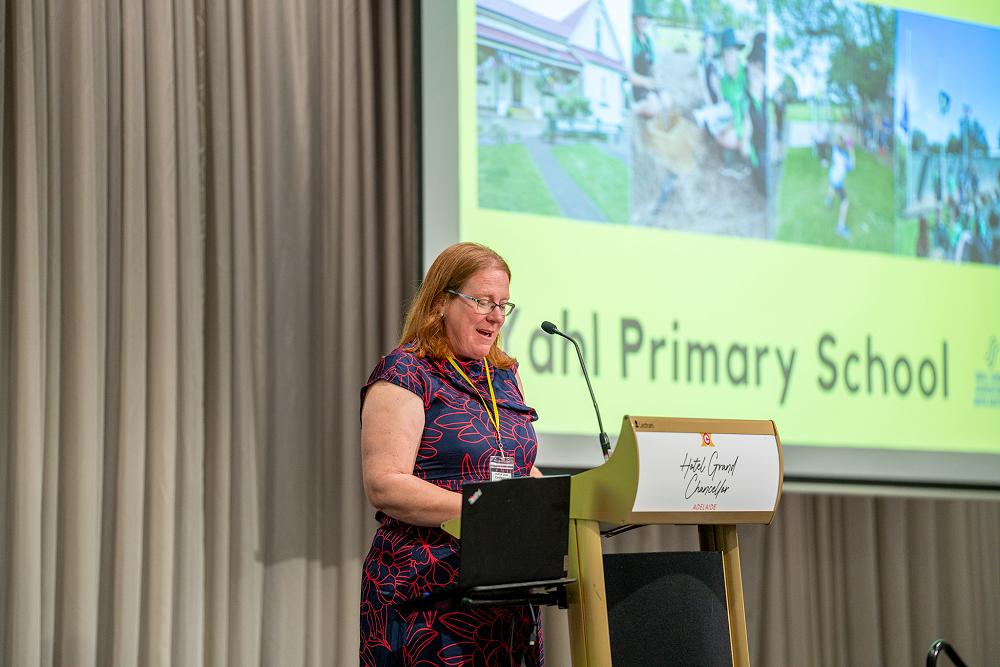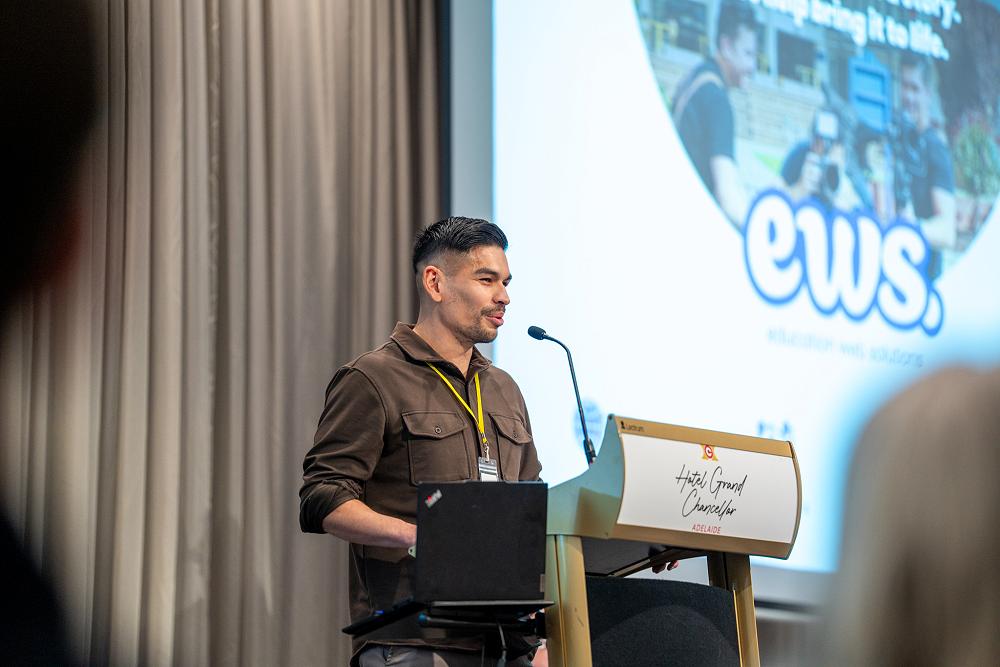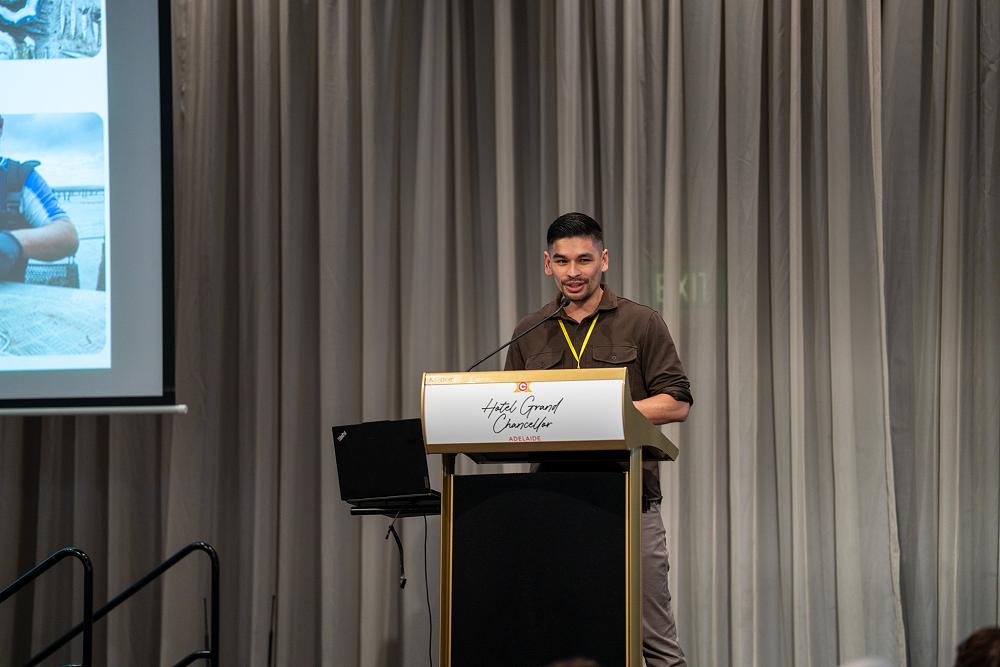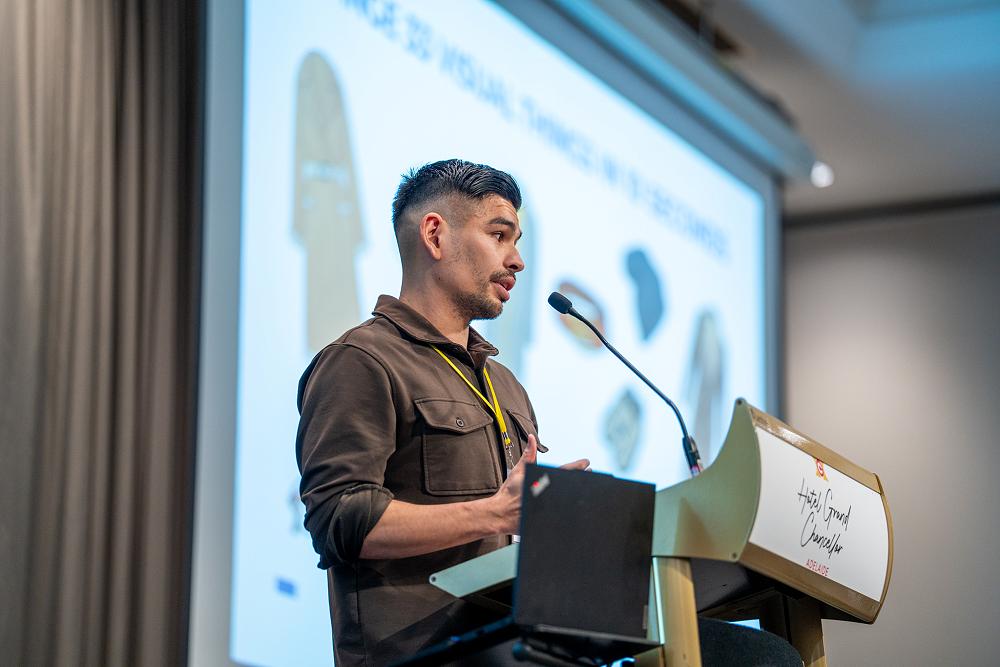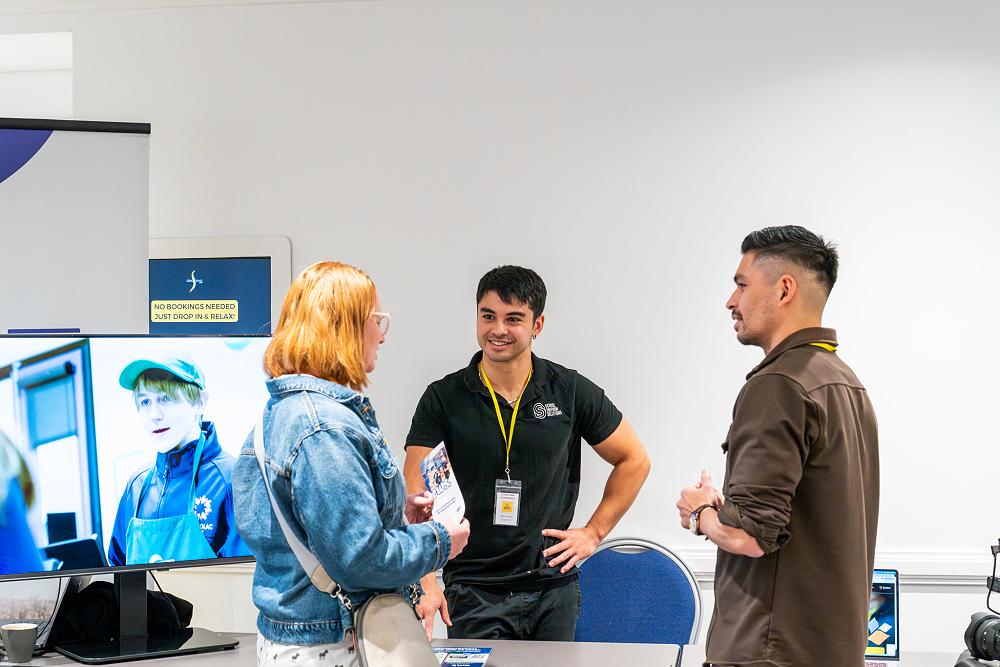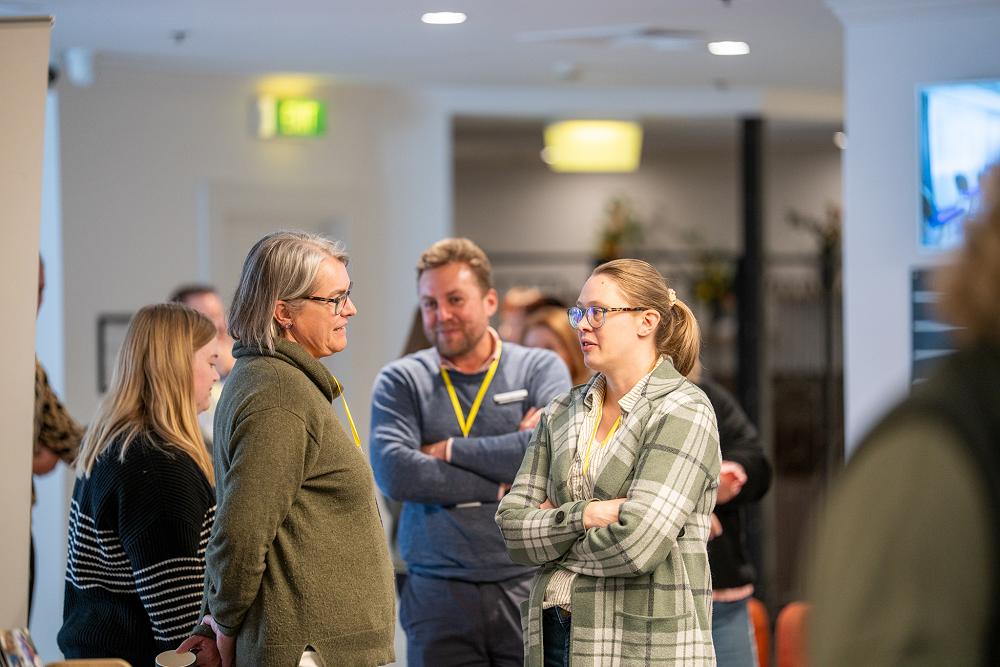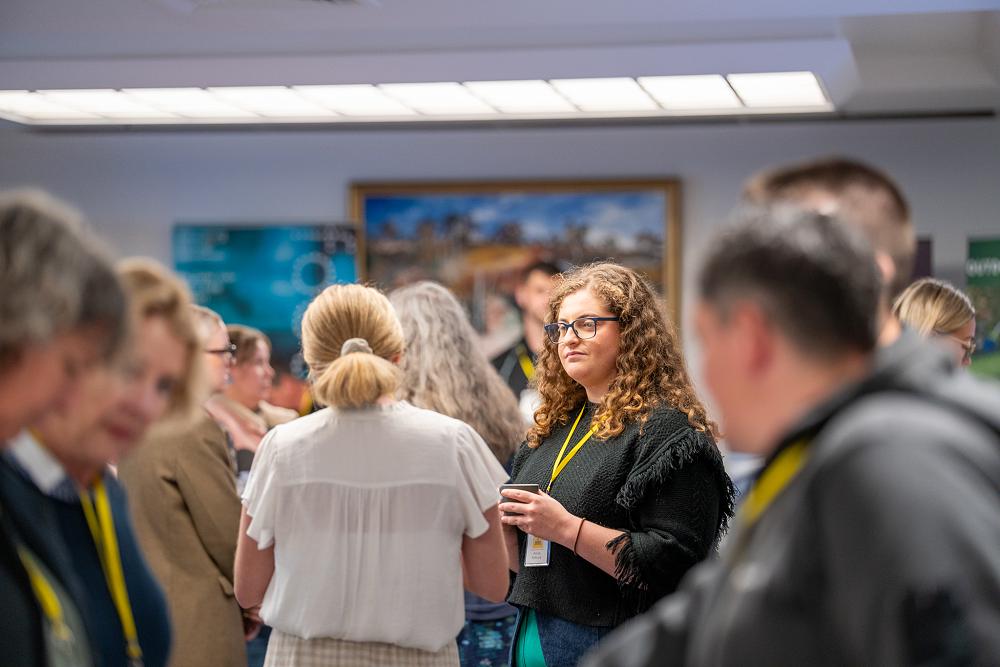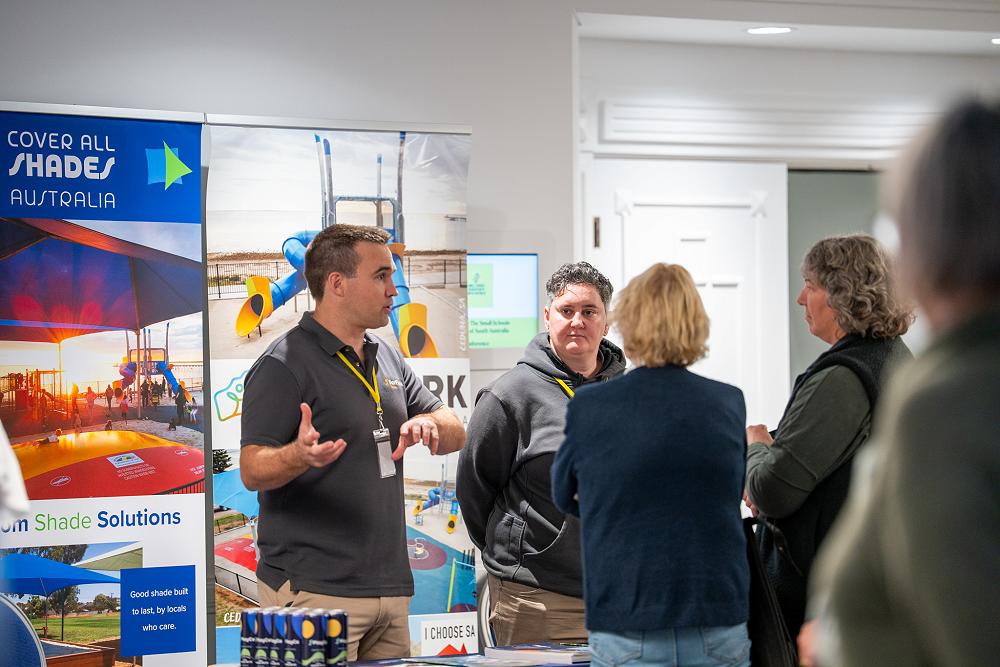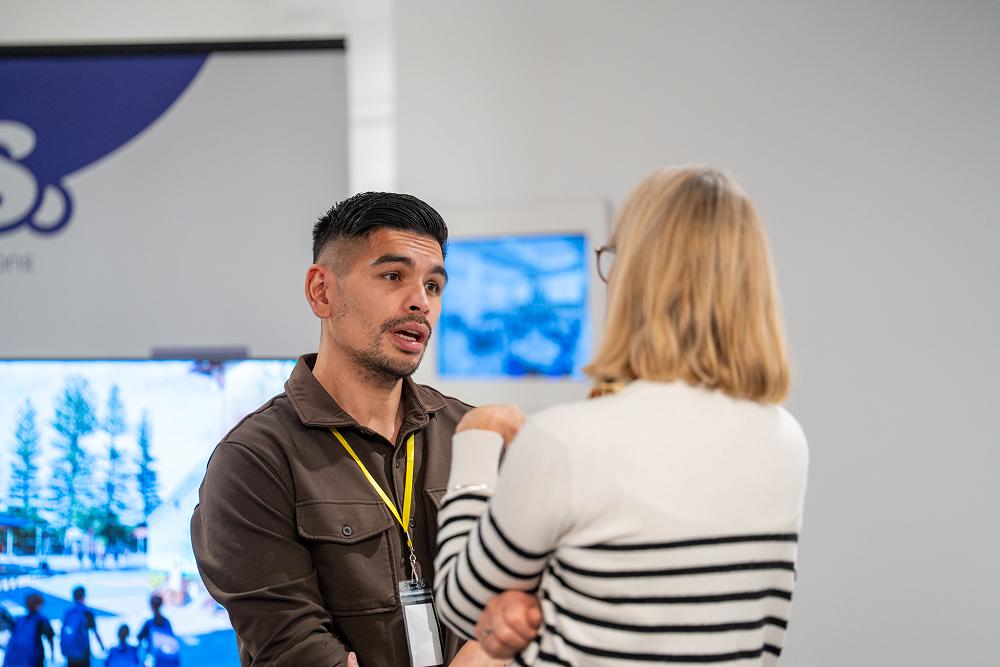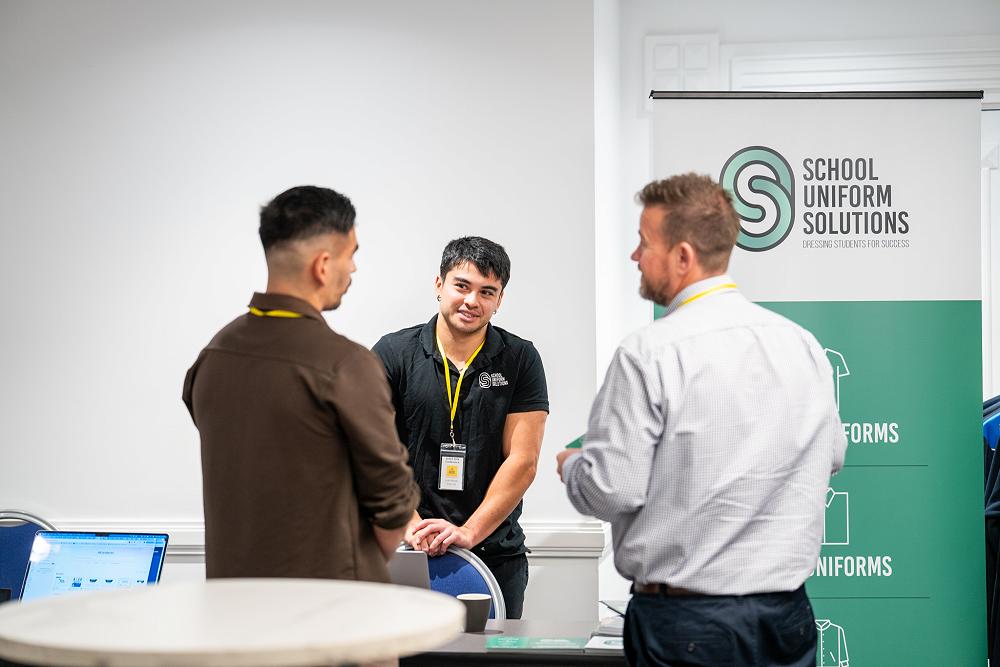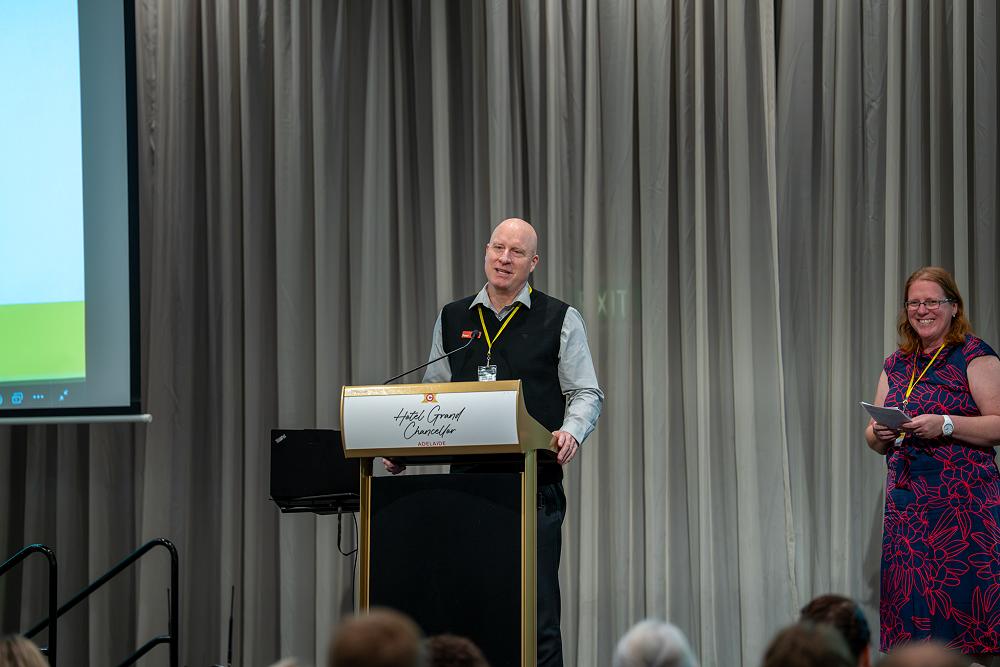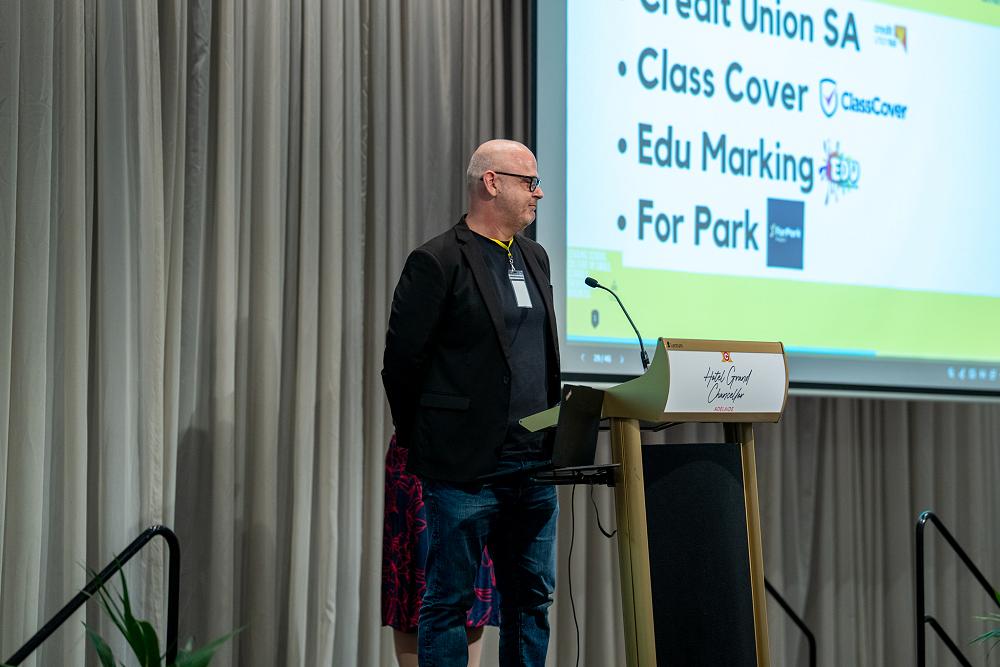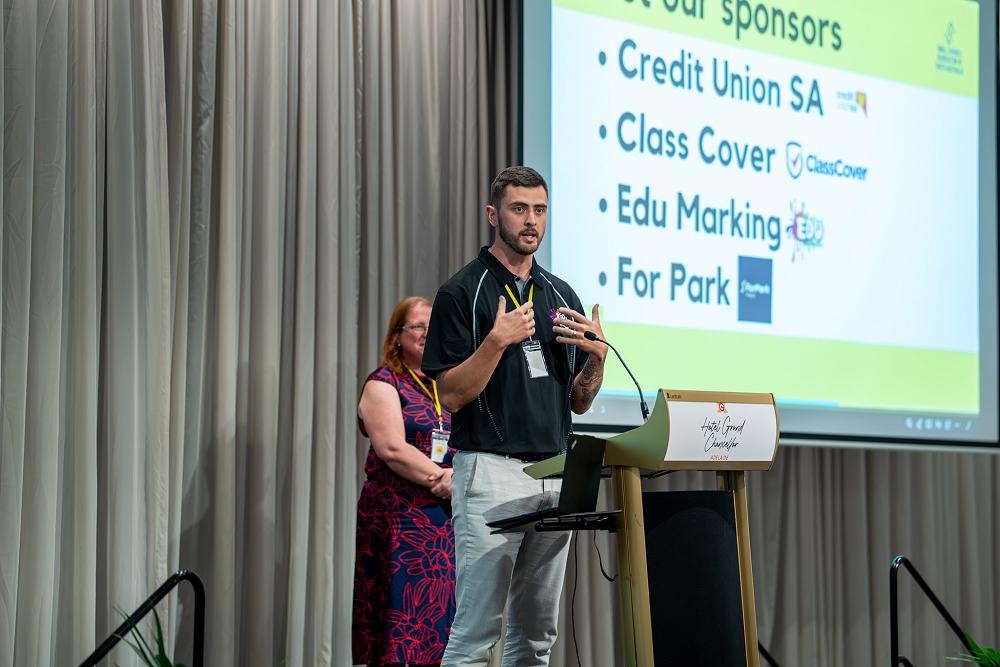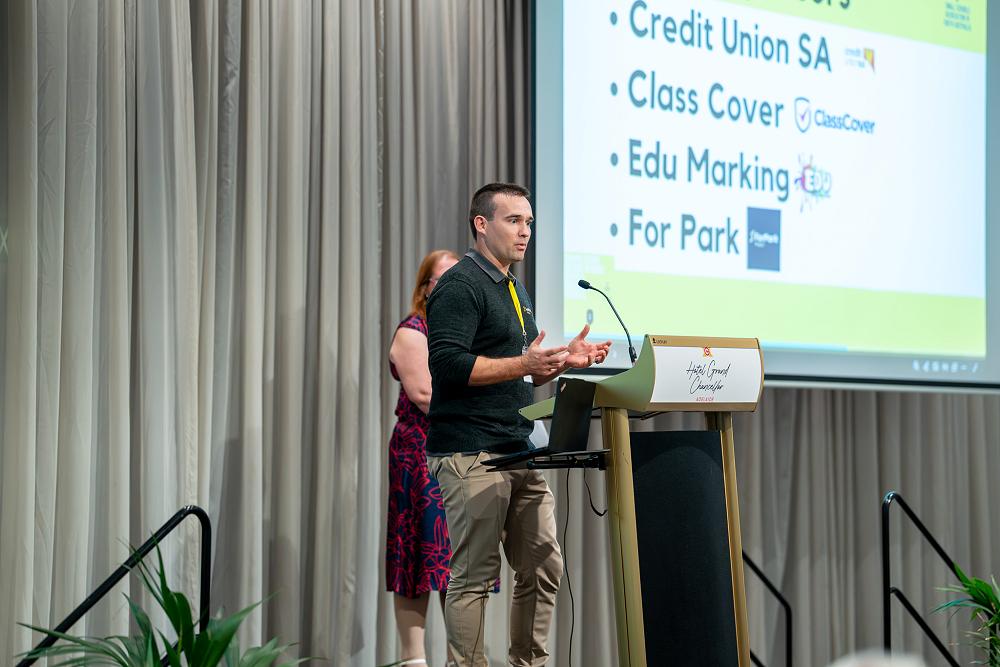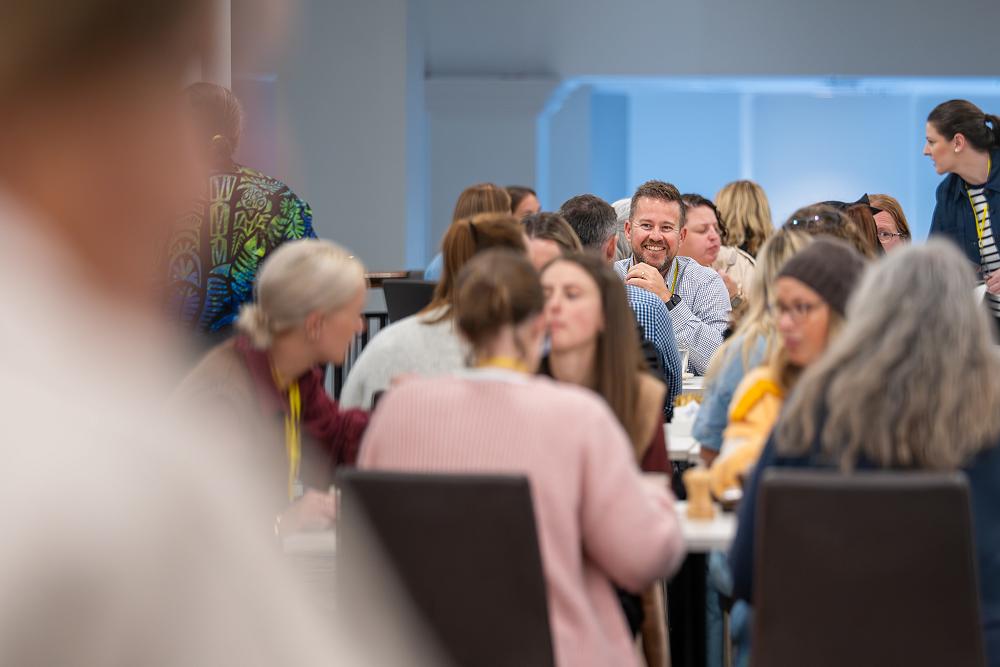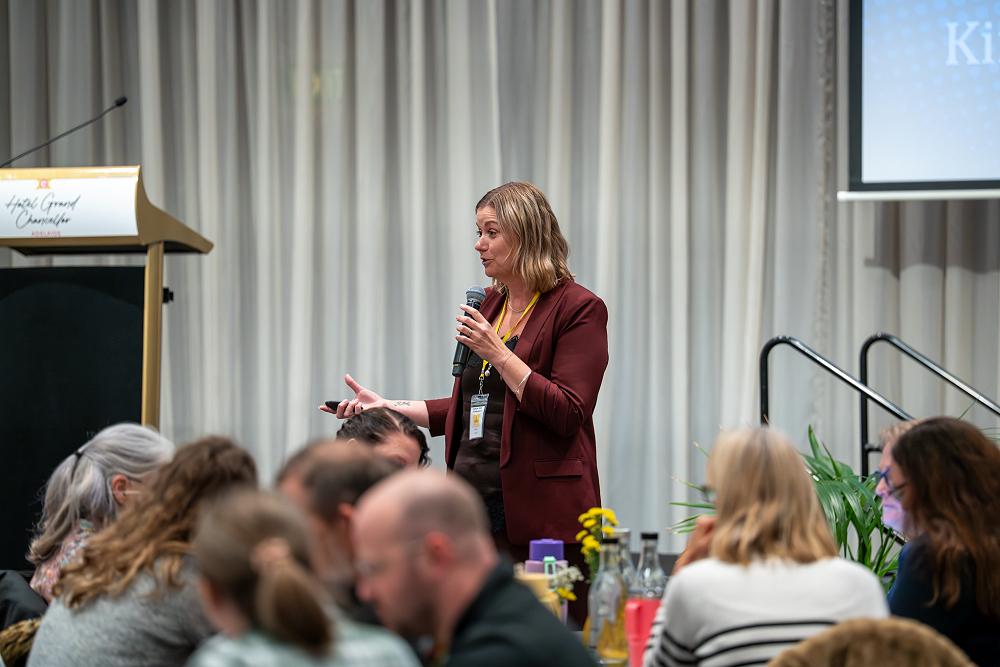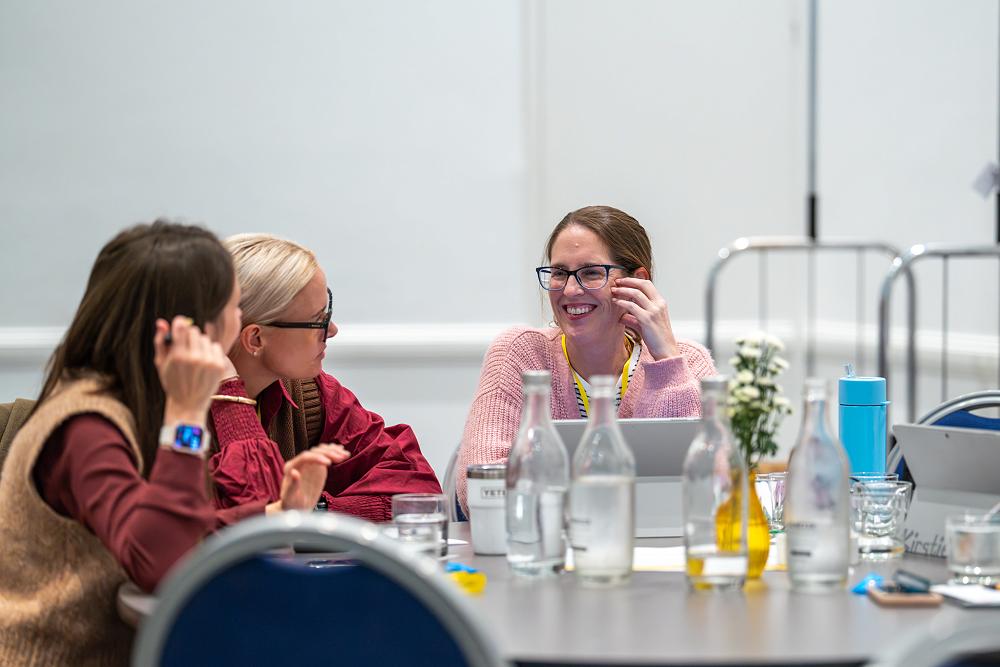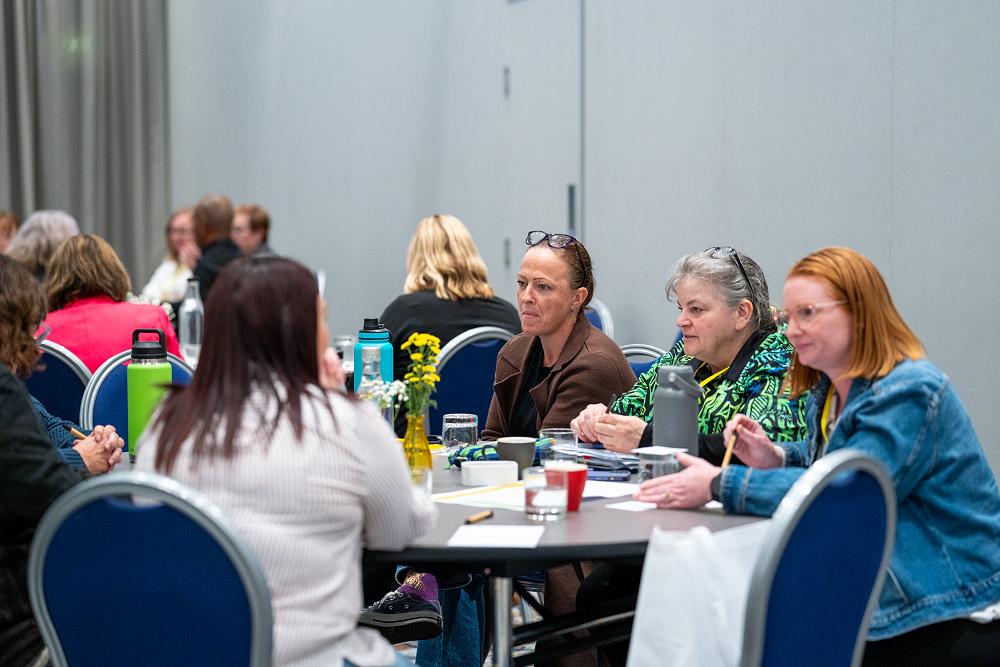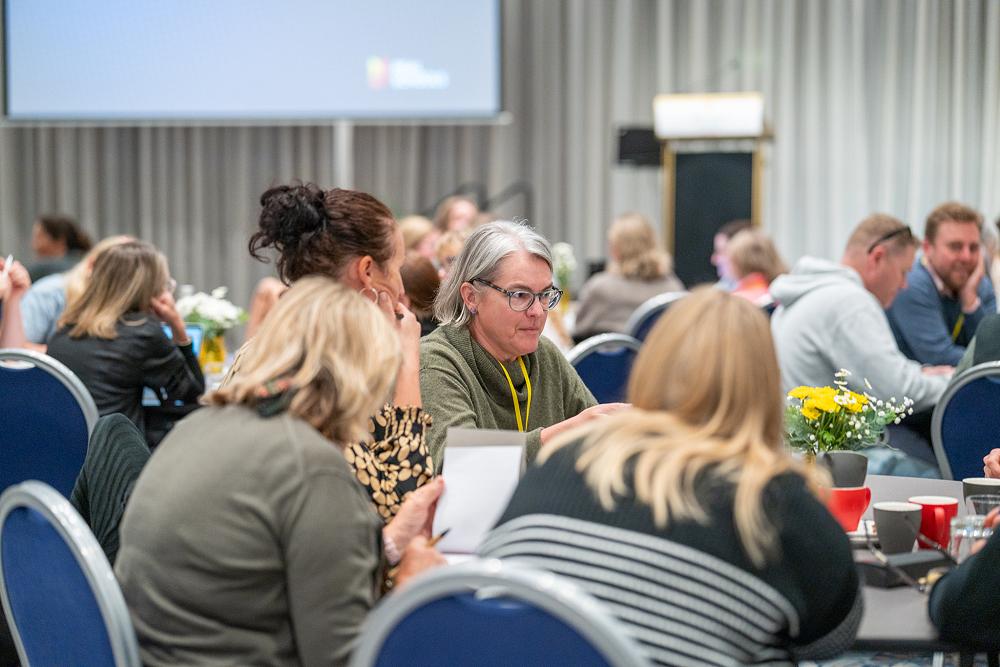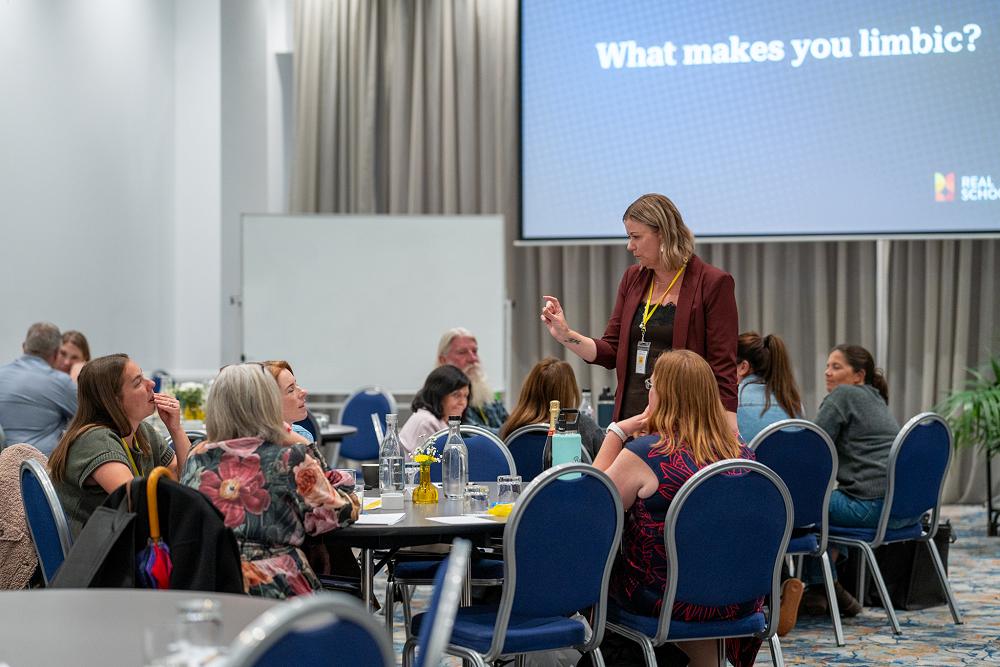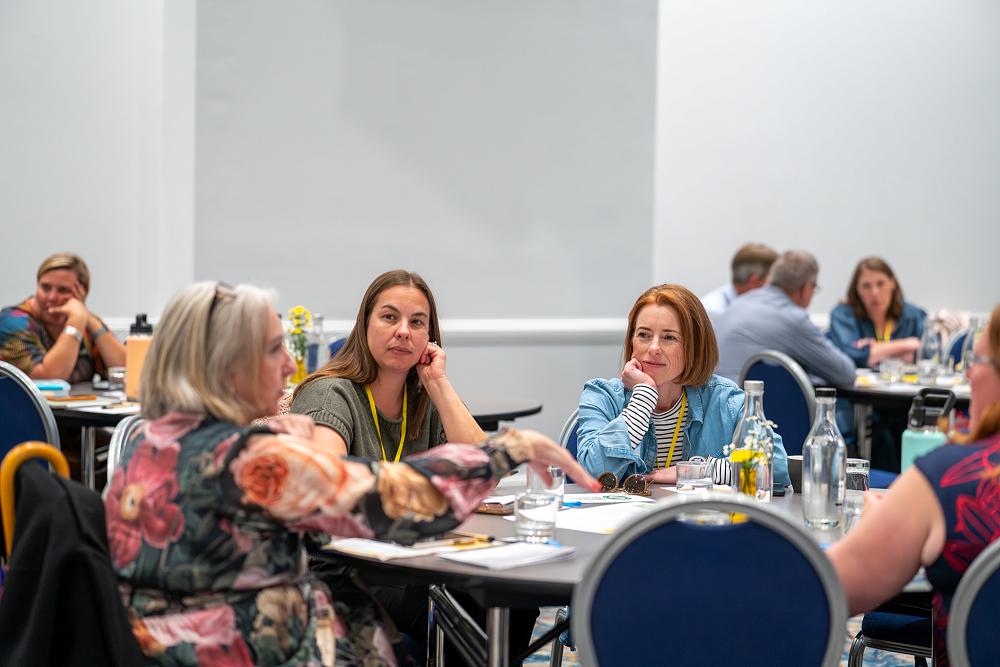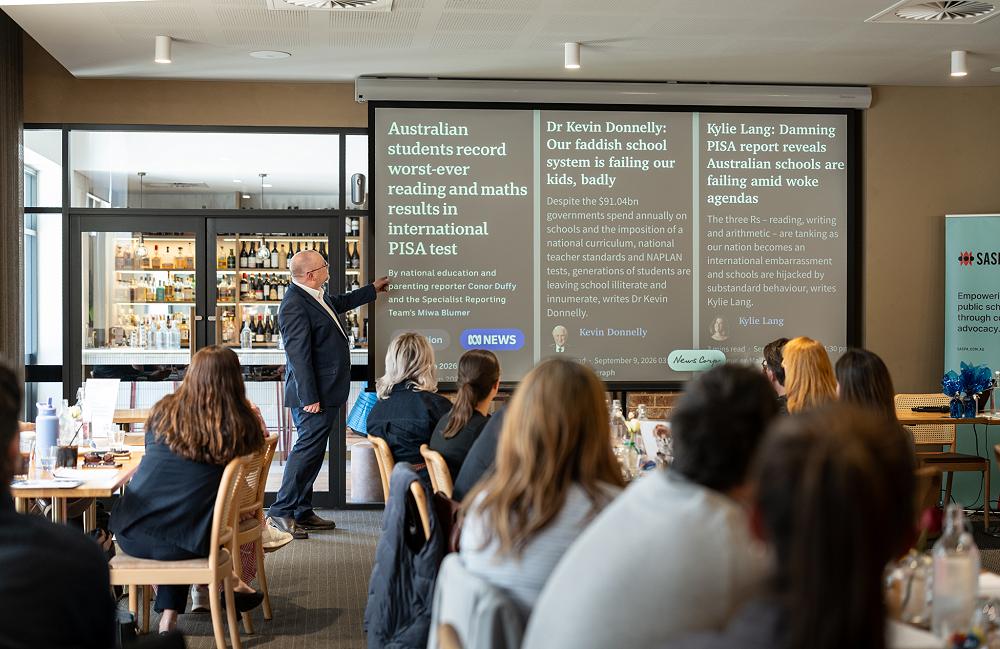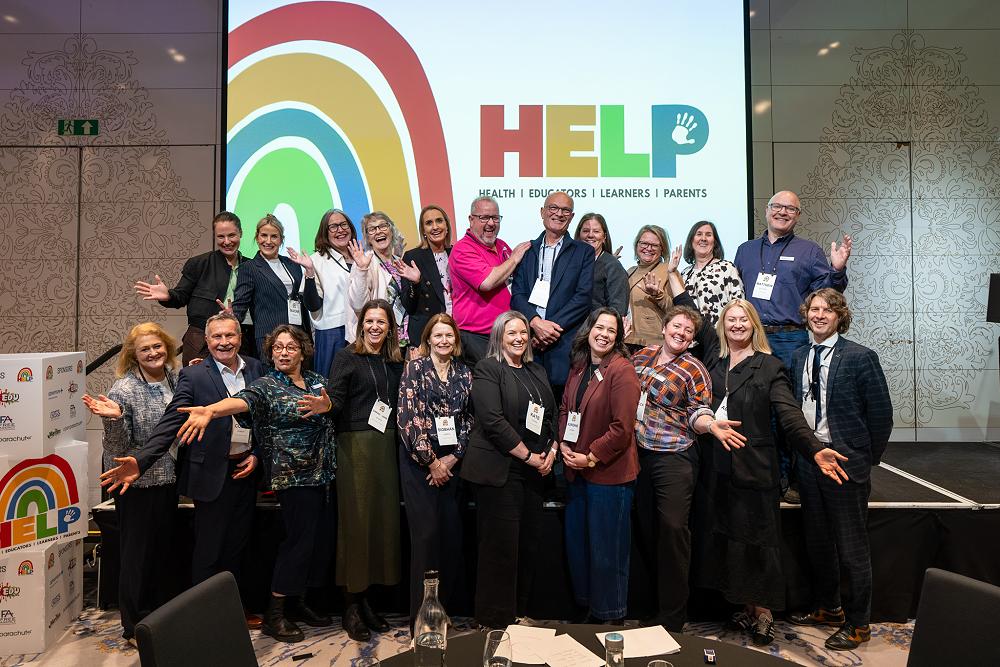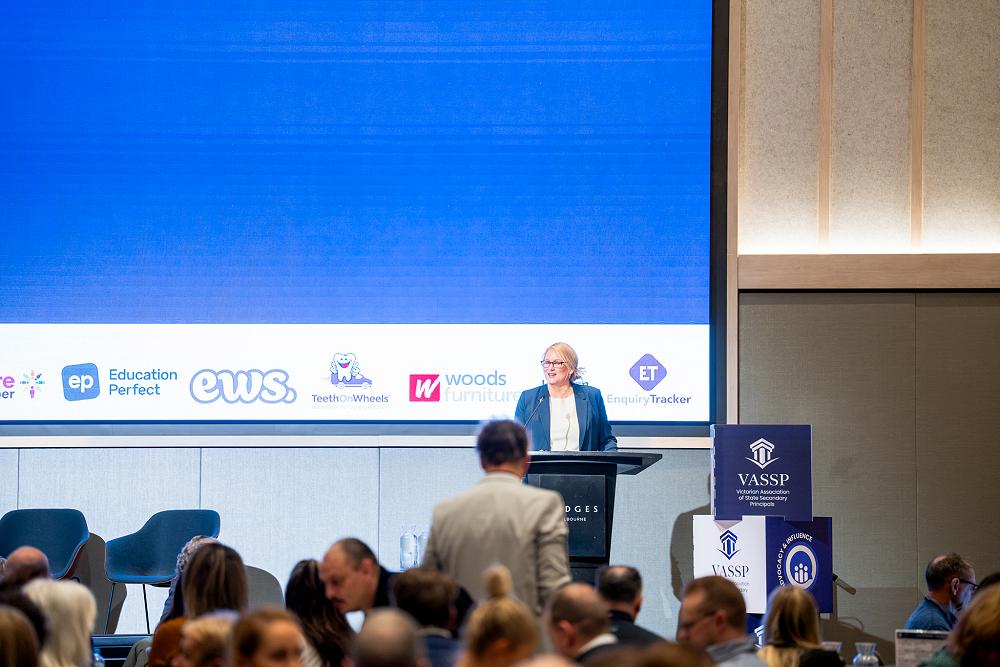

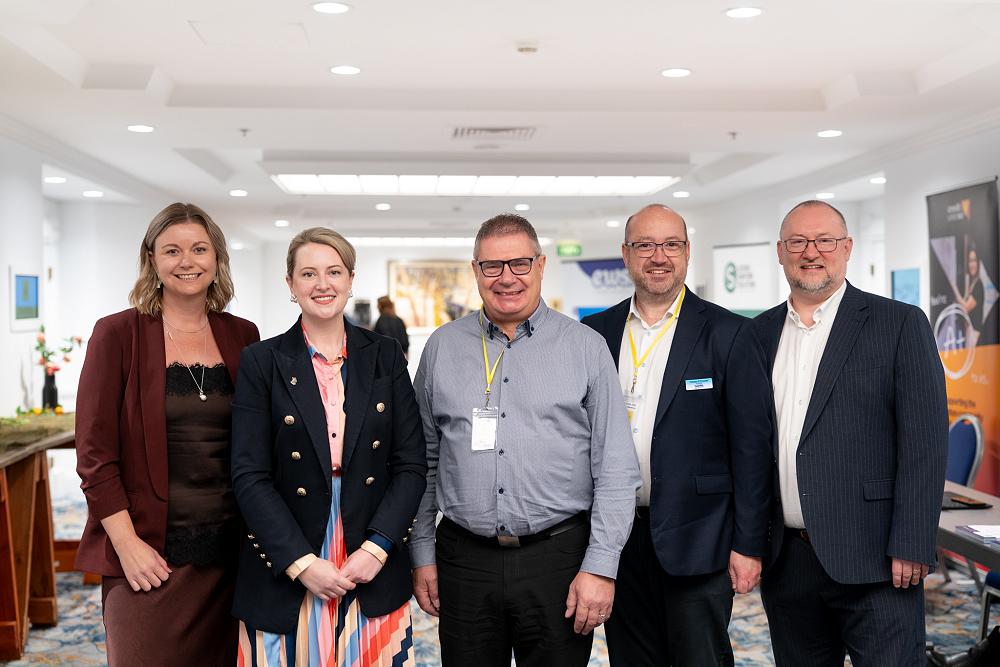
The Small Schools Association is delighted to report the resounding success of the Small Schools Conference 2026, held this year in Adelaide. With over 90 dedicated educators representing small schools from across South Australia, the event truly showcased the strength, adaptability, and collaborative spirit that defines our unique community.

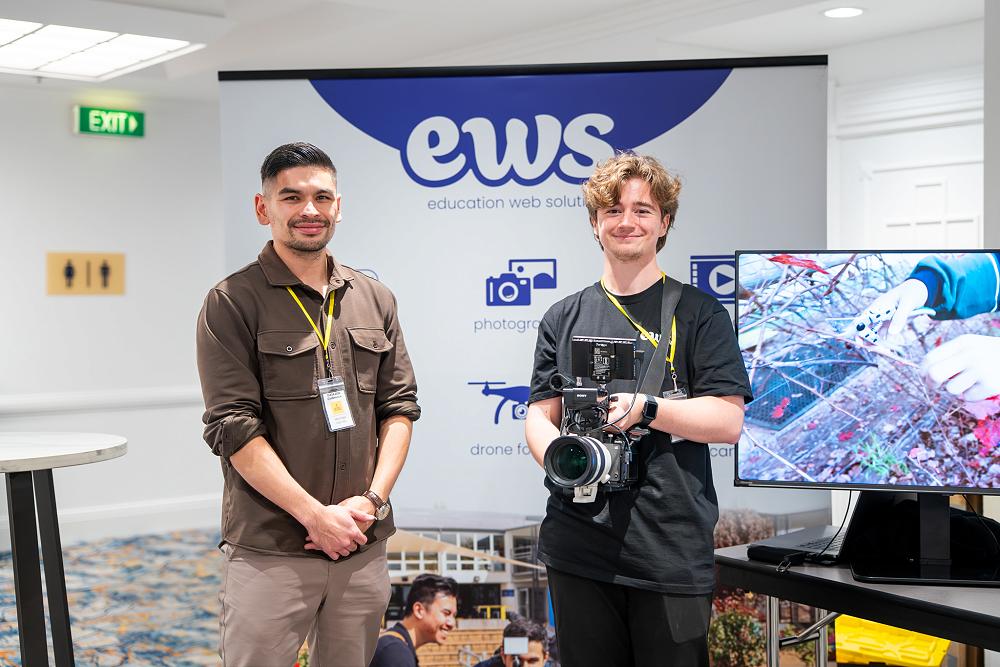
Video recap and photo gallery by Education Web Solutions
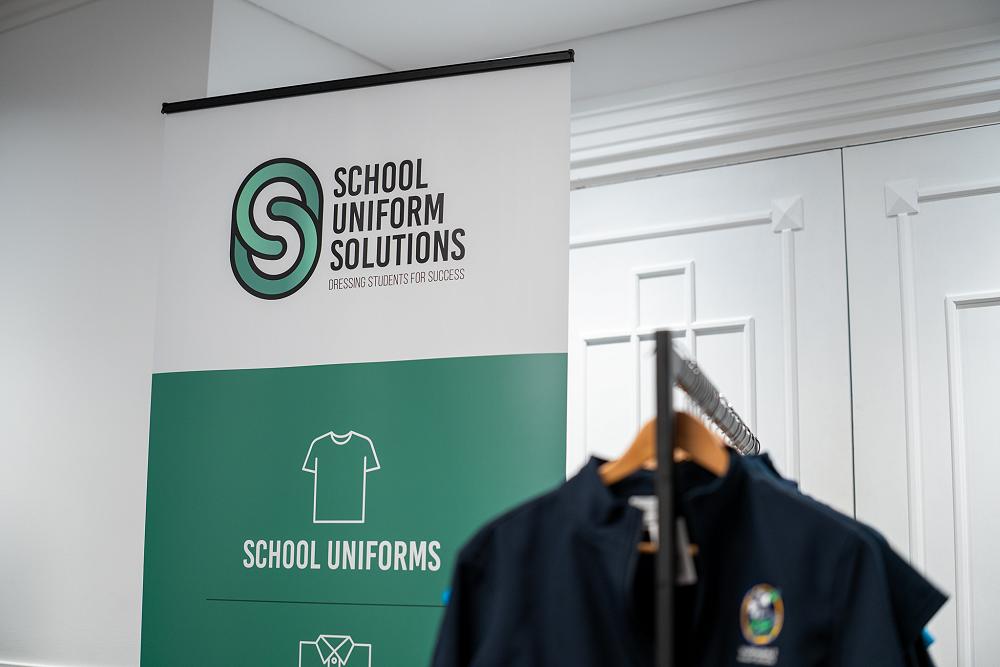
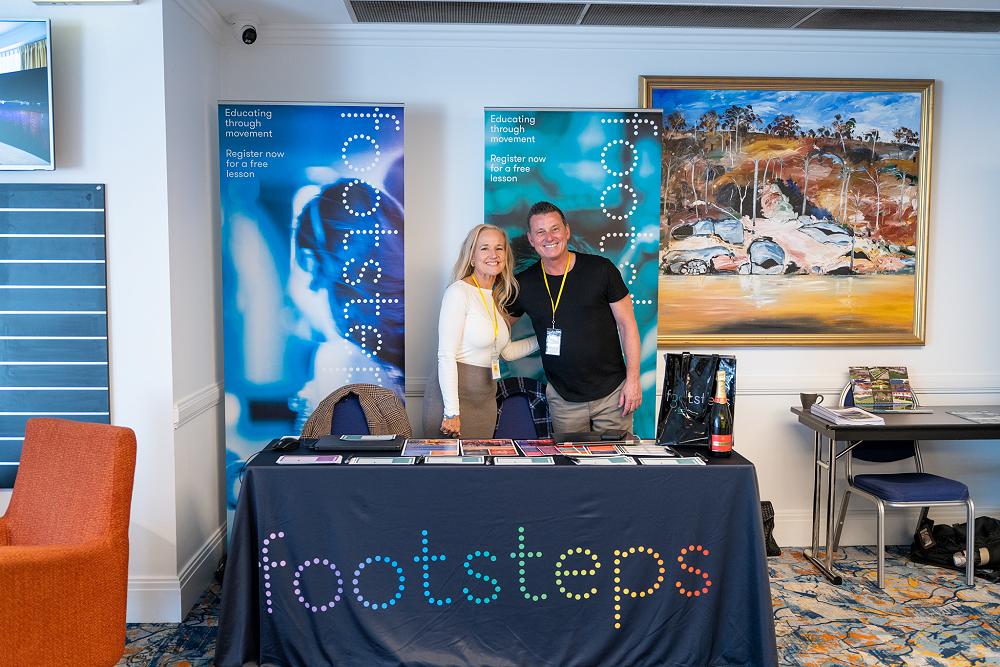
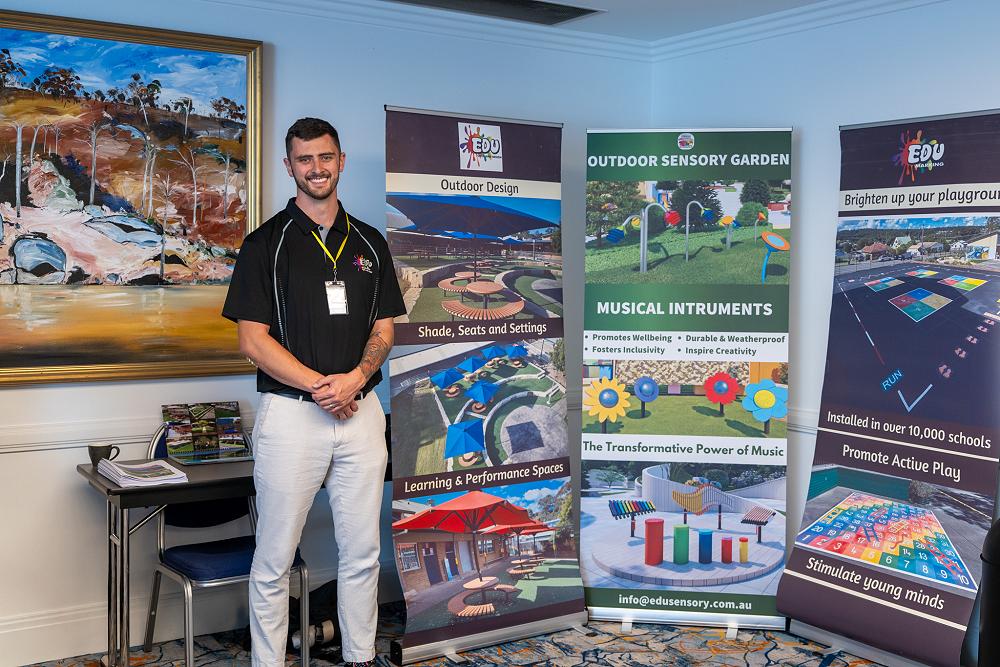
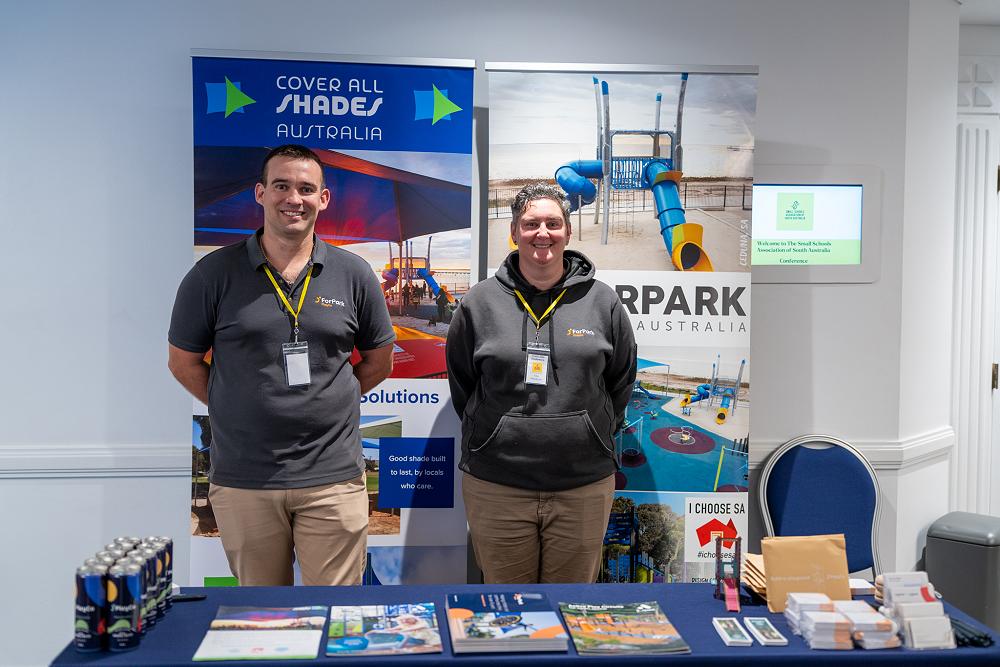
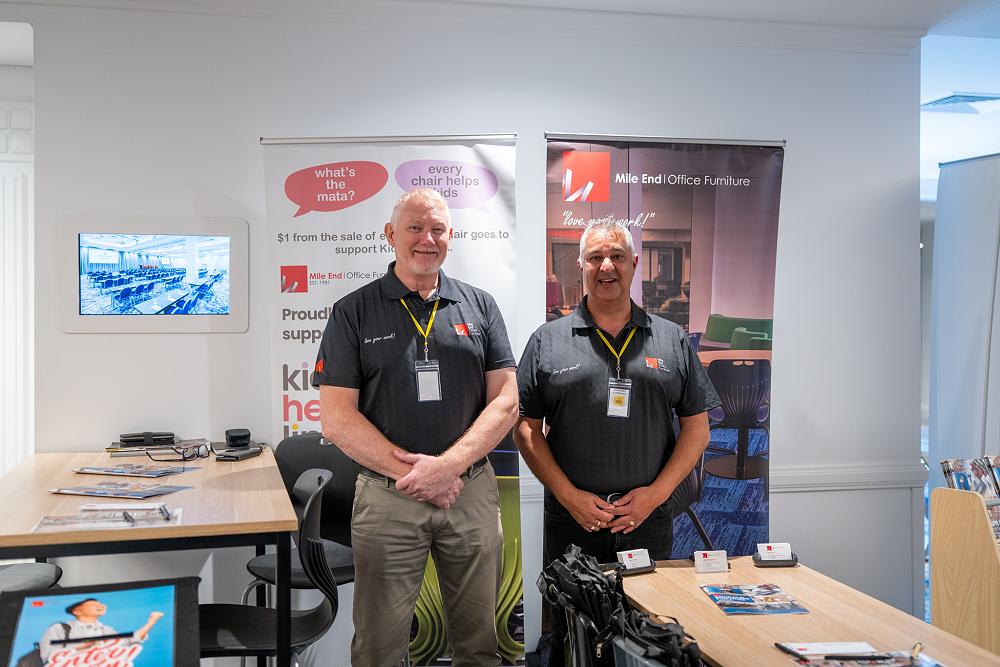
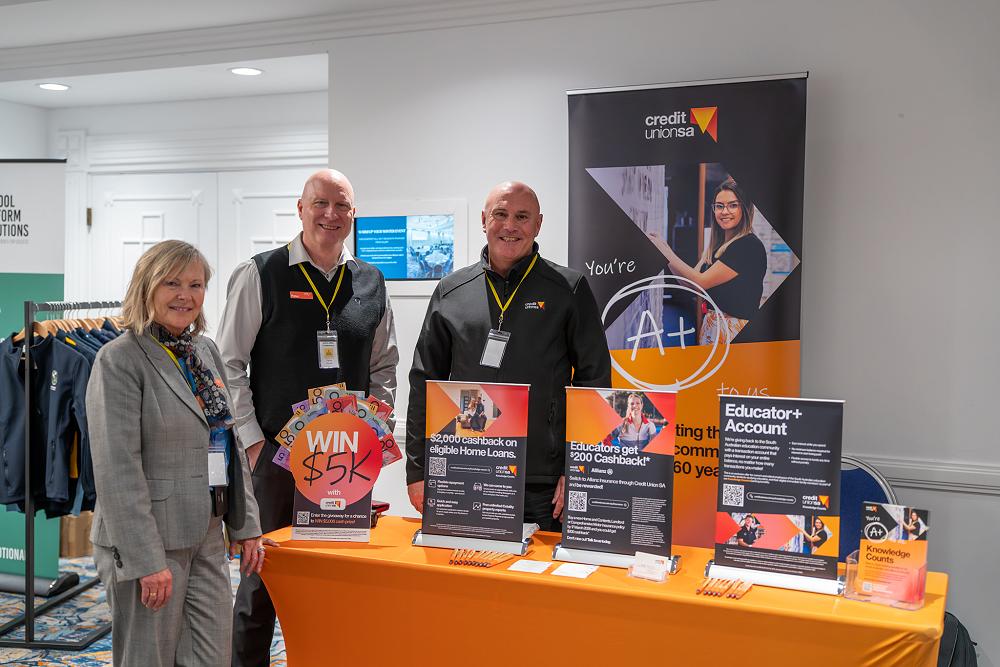
This year’s conference would not have been possible without the generous support of our eight remarkable sponsors. On behalf of all small schools, we extend heartfelt thanks to Edu Web Solutions, School Uniform Solutions, Footsteps, ForPark, Credit Union SA, Mile End Office Furniture, Edumarking, and ClassCover. Their commitment to supporting small schools enables us to provide high-quality professional learning and ongoing growth in our settings.
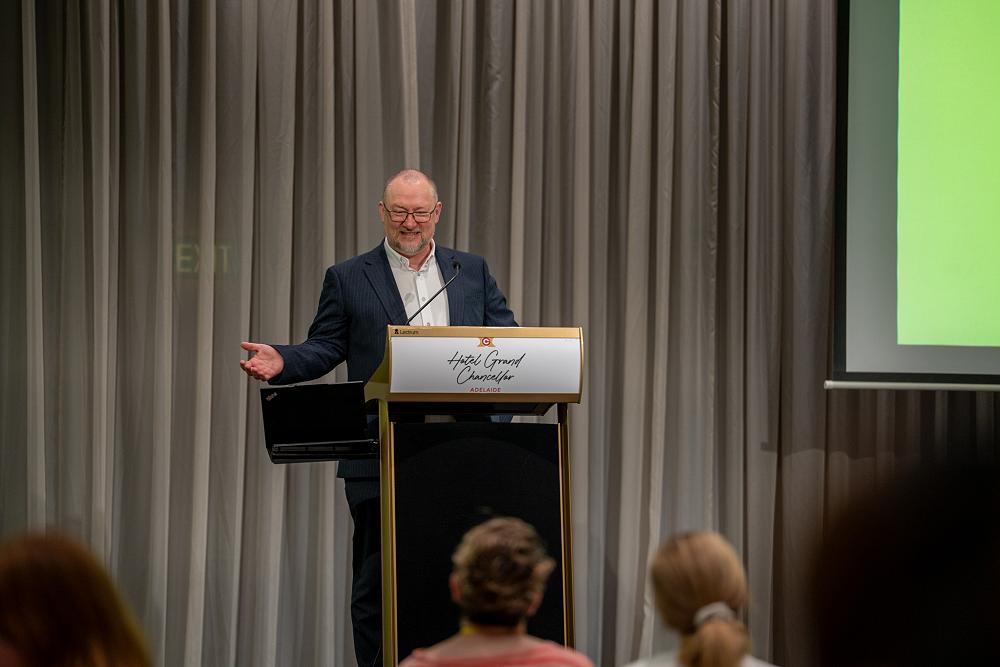
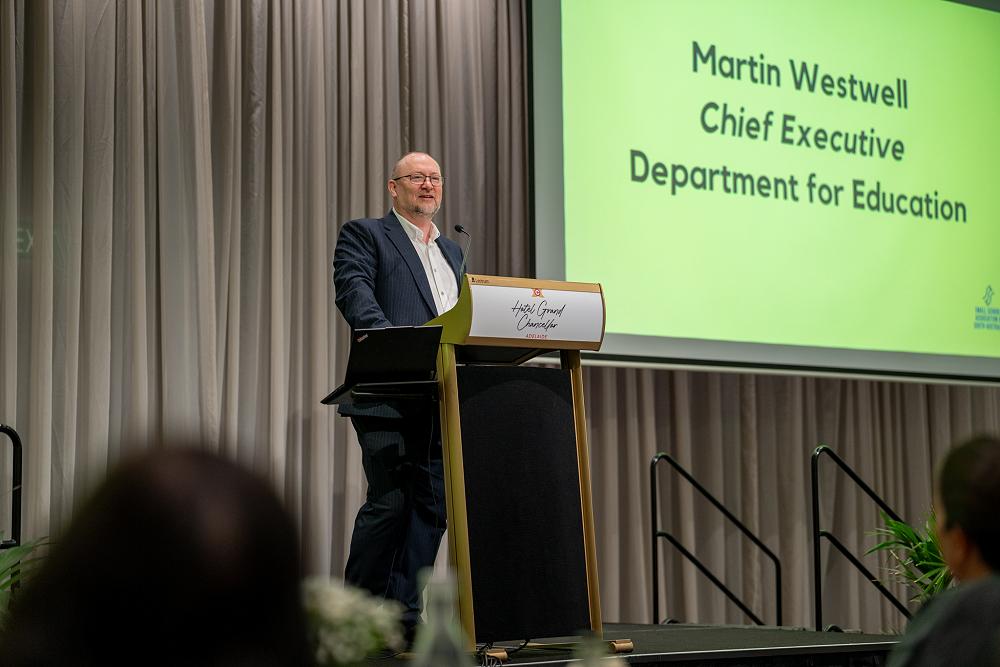
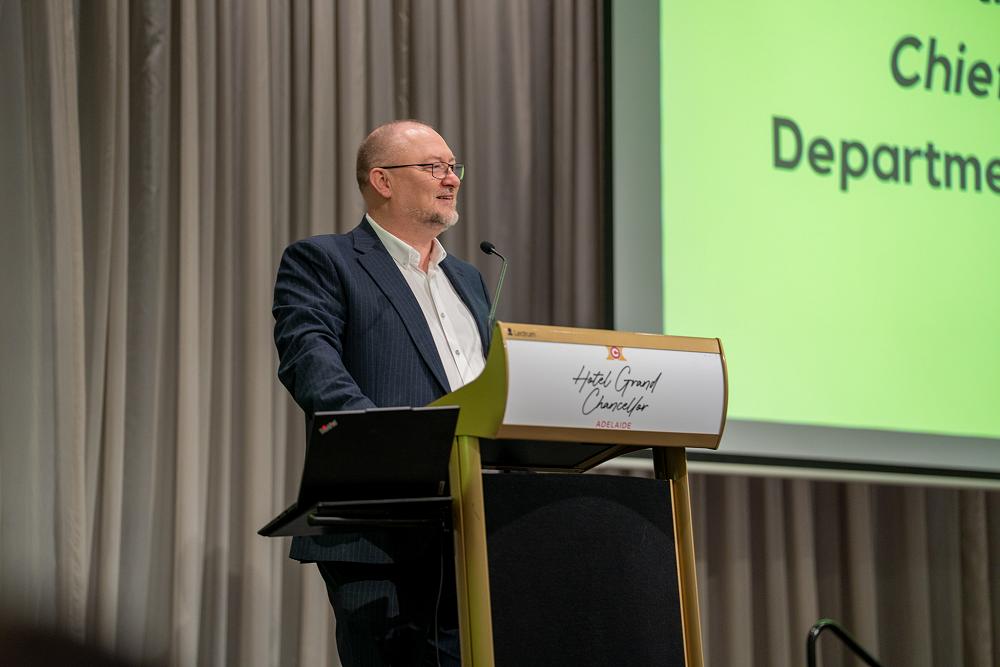
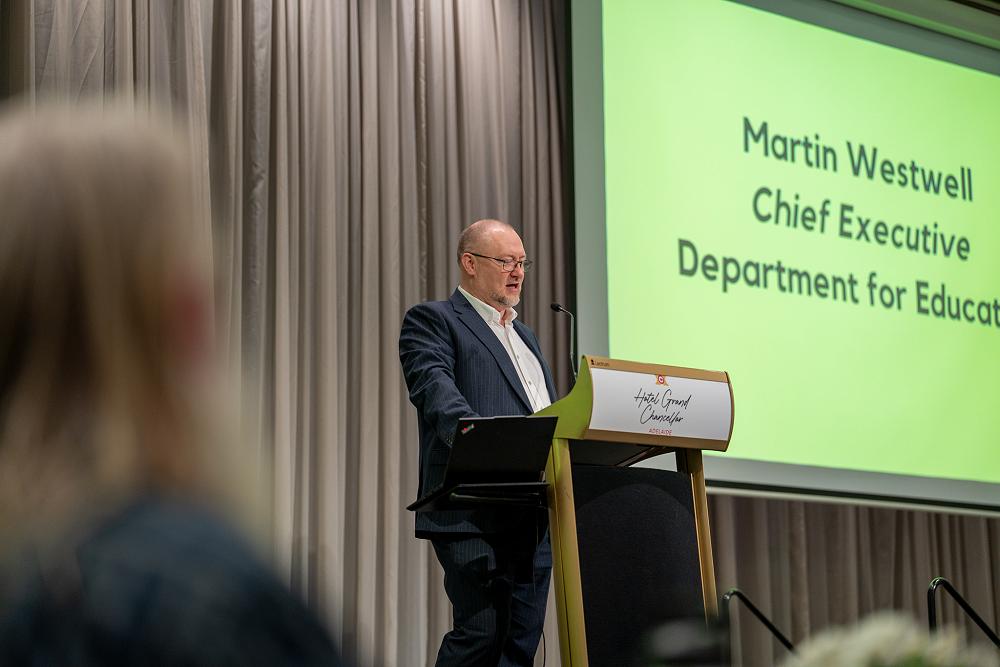
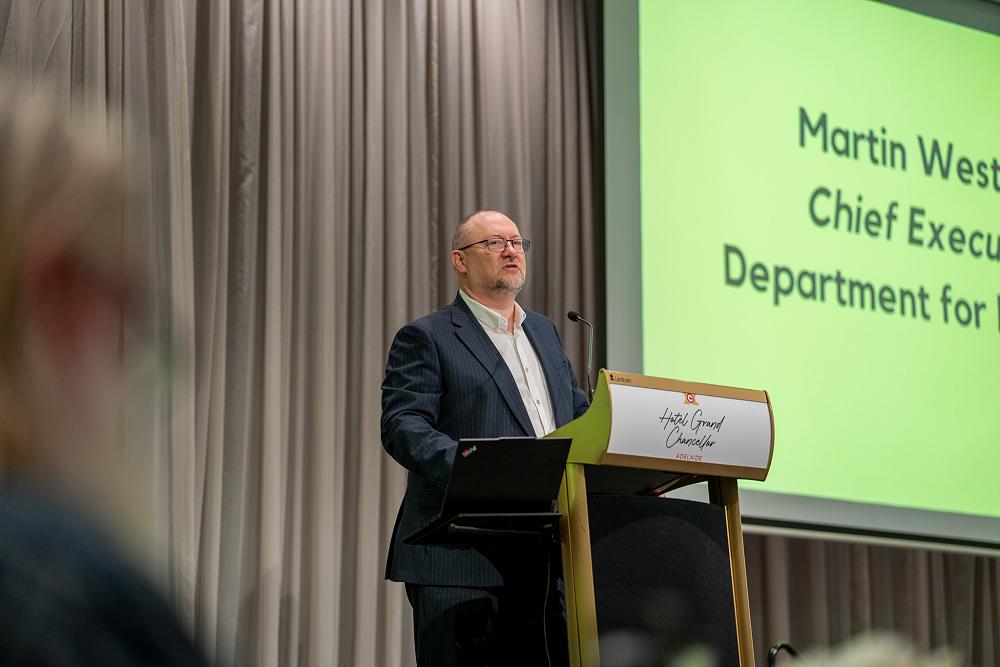
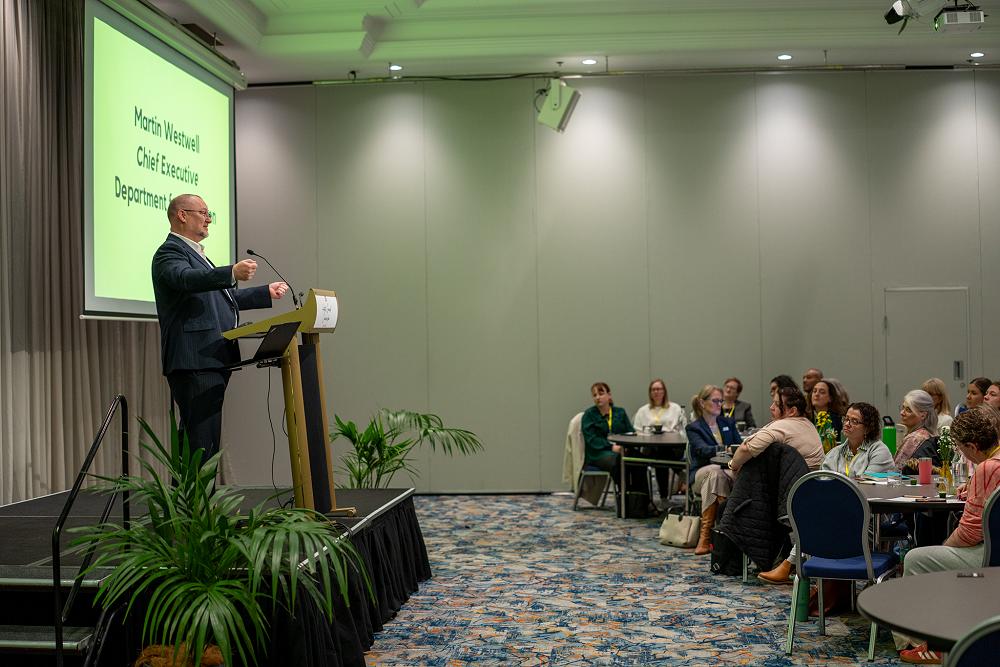
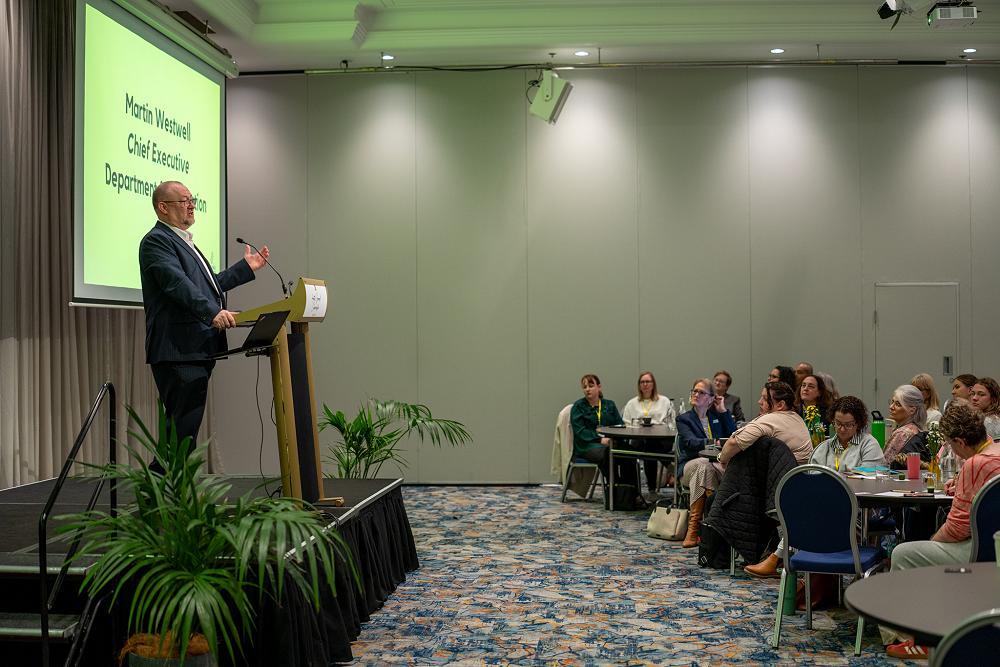
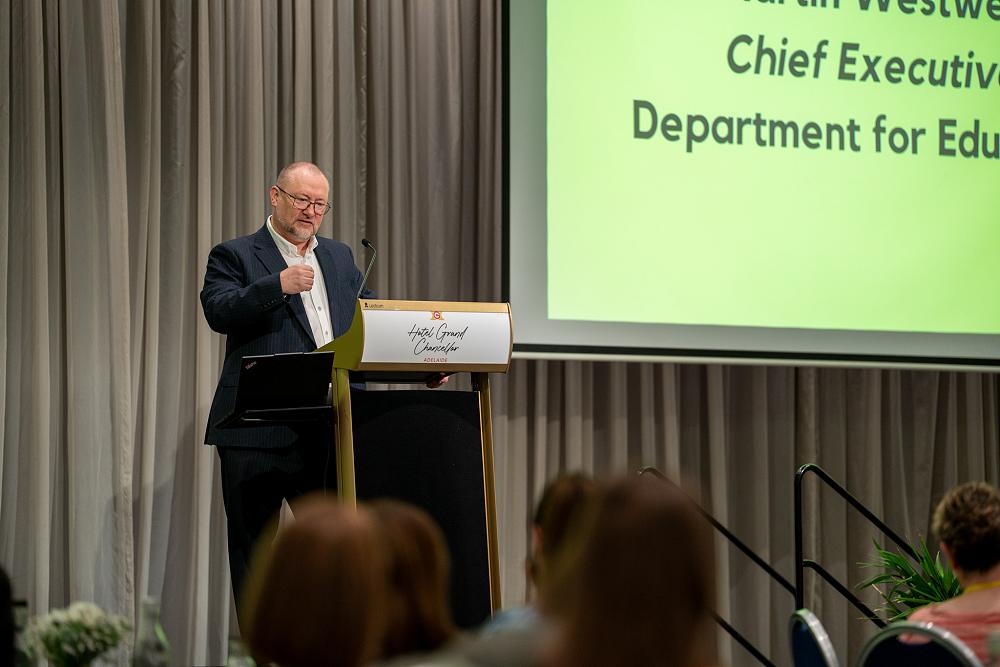
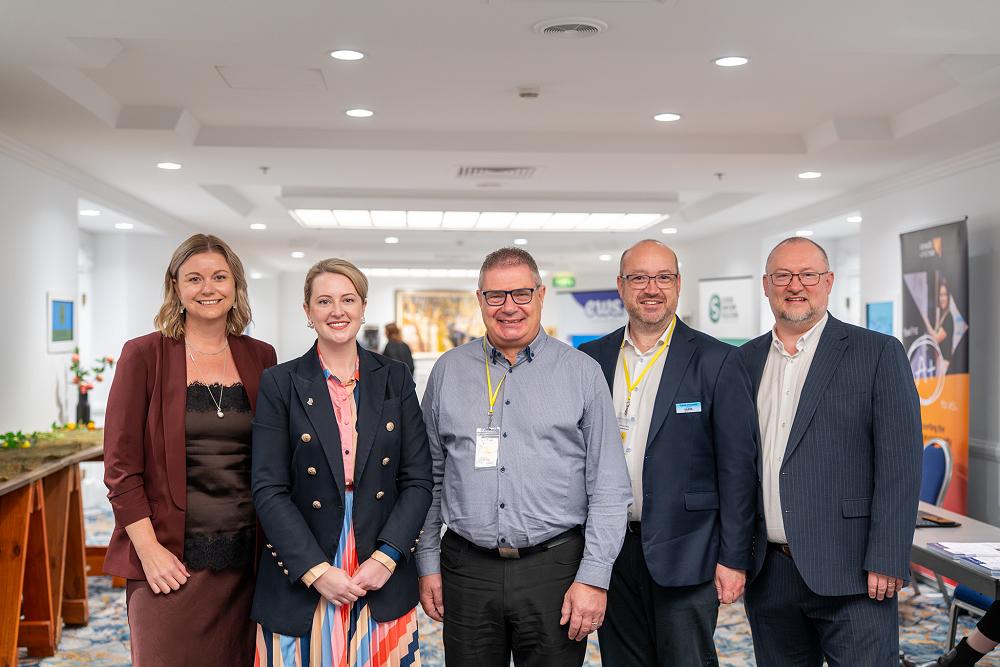
We were privileged to welcome Professor Martin Westwell, Chief Executive of the Department for Education, whose commitment to small schools shone throughout this morning address. We also thank the Honourable Lucy Hood, Minister for Education and Training and Minister for Autism, for her vision and advocacy for inclusive education. Their involvement enriched the conference, offering valuable perspectives and an acknowledgment of the vital role small schools play in South Australia’s educational landscape.
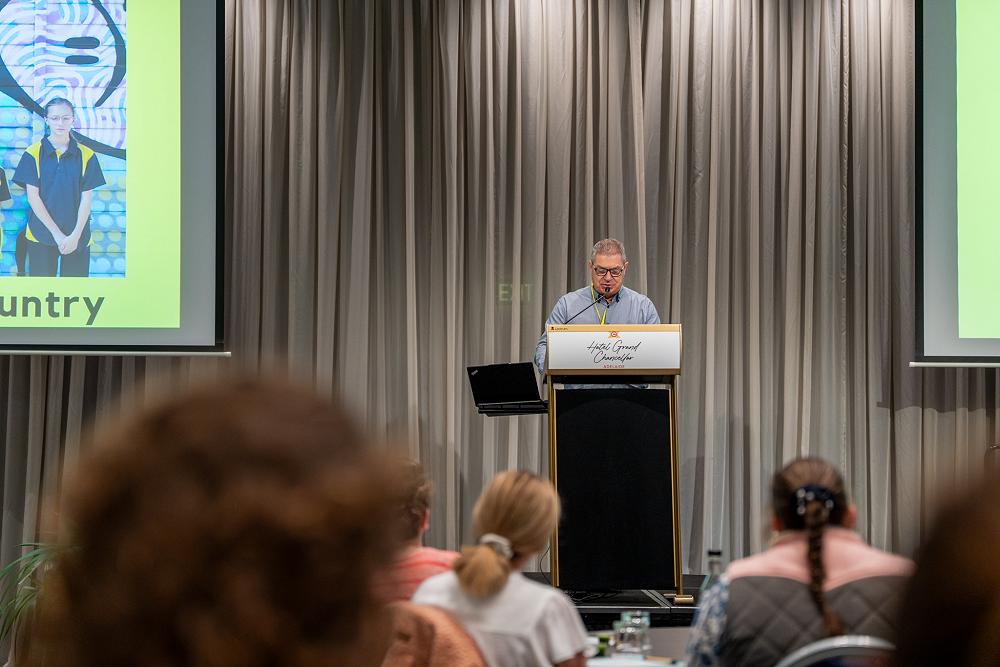
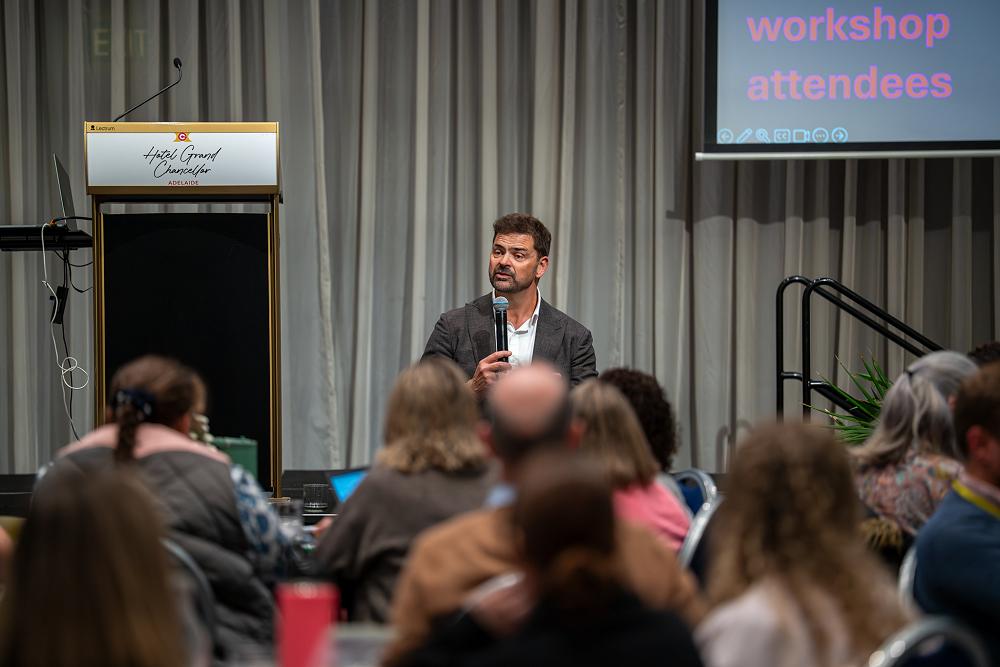
Adam Voigt’s keynote centred on the importance of focusing energy on behaviours that matter most in learning environments, rather than being consumed by those we simply tolerate. He emphasised that while some behaviours are not ideal, it is often more productive to accept and move past those that do not cause significant harm, freeing up time and energy for the relationships and practices that truly count.
Adam explored how language shapes culture and vice versa. He encouraged educators to use clear, consistent language to support a positive school culture. When it comes to managing conduct, he advocated for predictable and fair processes in addressing student behaviour, focusing less on punitive punishments and more on consistent, restorative responses. Adam also highlighted the impact of mindset, urging teachers to approach every interaction with the underlying belief that “All people are awesome,” and to maintain honesty with themselves about their intentions and actions.
Adam provided attendees with immediately useful strategies for classroom management. He suggested preparing ‘stored responses’ for behaviours that teachers find most challenging—having consistent, calm responses ready to defuse emotional reactions and model expected behaviour. For example, calmly redirecting students who call out by addressing those who are following expectations, allowing teachers to keep class focus positive and moving forward.
An important part of Adam’s approach is engaging in affective conversations with students using past, present, and future focused questions. This helps students reflect on their actions, understand impact, and take responsibility for making things right. His “P3 P3 F3” strategy models spending short, defined periods discussing what happened, how it makes people feel now, and how the group will move forward together, always concluding by returning the focus to learning.
Adam’s workshop, “Restorative Teaching: The Next Frontier of Student Engagement,” further advanced the idea that student engagement is directly linked to school and classroom culture. He promoted using restorative responses—giving students a chance to correct behaviour and receive acknowledgement, rather than only a reprimand. He also stressed the importance of offering students autonomy, making learning relevant, and actively engaging students in listening, speaking, thinking, and doing (“LSTD”) both academically and personally.
He discussed the challenges posed by lack of relevance and waiting time, encouraging teachers to ensure curriculum, tools, and skills are evidently meaningful for students, and to keep learning environments active and responsive. Visible progress and positive reinforcement were highlighted as critical for maintaining engagement and helping students see their growth.
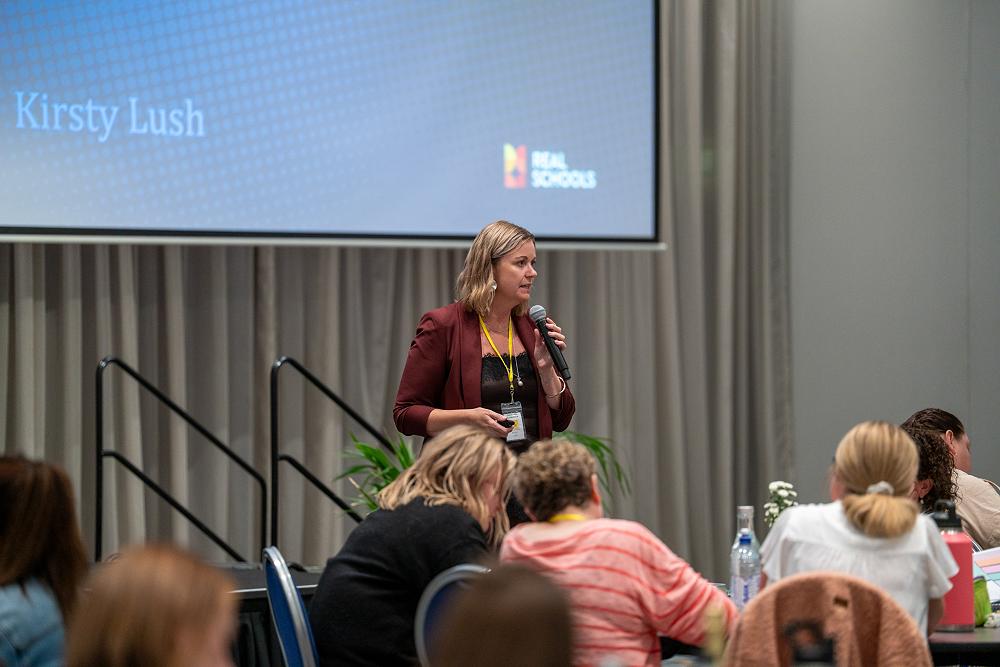
Kirsty Lush continued Adam’s work in the afternoon, further facilitating reflection and planning with the attendees, giving them time to consider what practical steps to take upon returning to their schools.
Key Takeaways
-
Focus on relationships and real impact, not on eliminating every minor behaviour.
-
Shape culture using consistent, positive language.
-
Use restorative, patient approaches in conflict and behaviour management.
-
Make learning relevant and engaging, aligning work with students’ lives and future needs.
-
Give students agency and acknowledge their efforts, fostering a positive and supportive classroom environment.
Looking Forward
As an association, we are energised by the momentum generated by this year’s conference. The connections forged, resources shared, and ideas exchanged will have a lasting impact as we support each other to provide quality education for every student in our small schools.
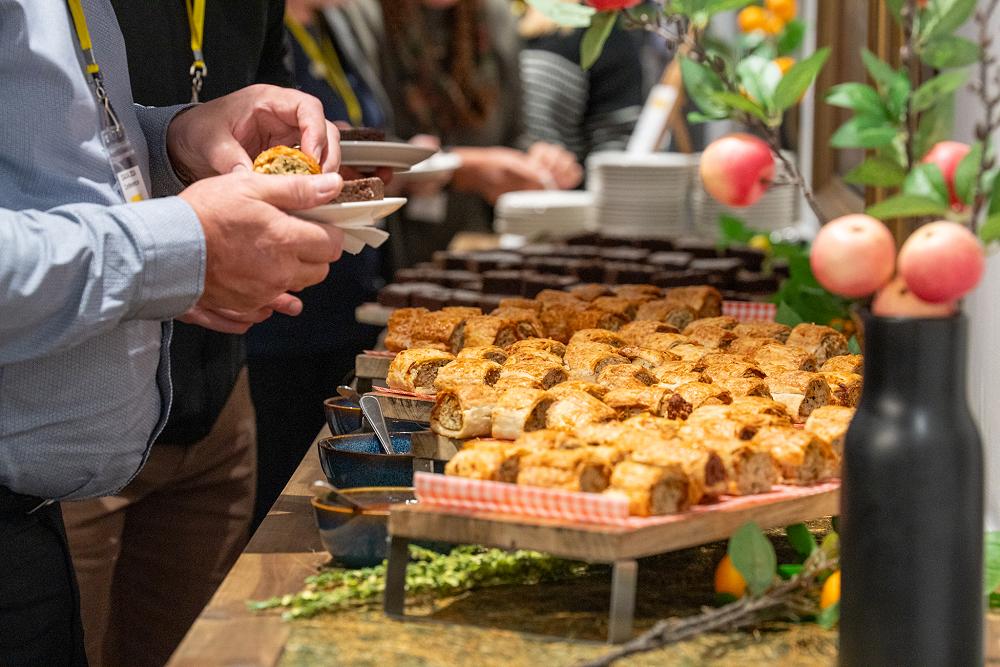
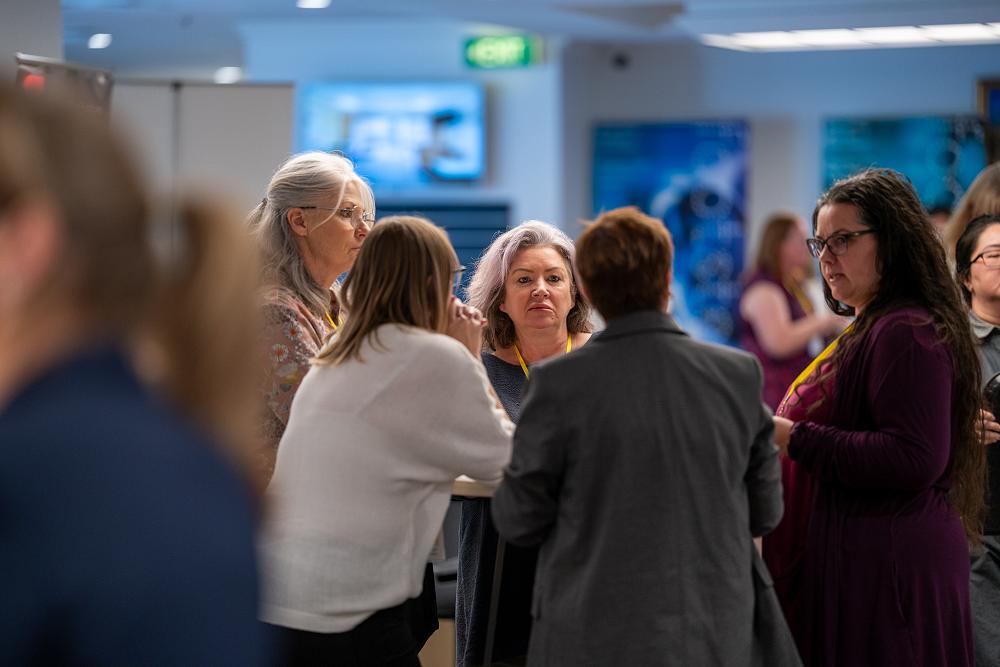
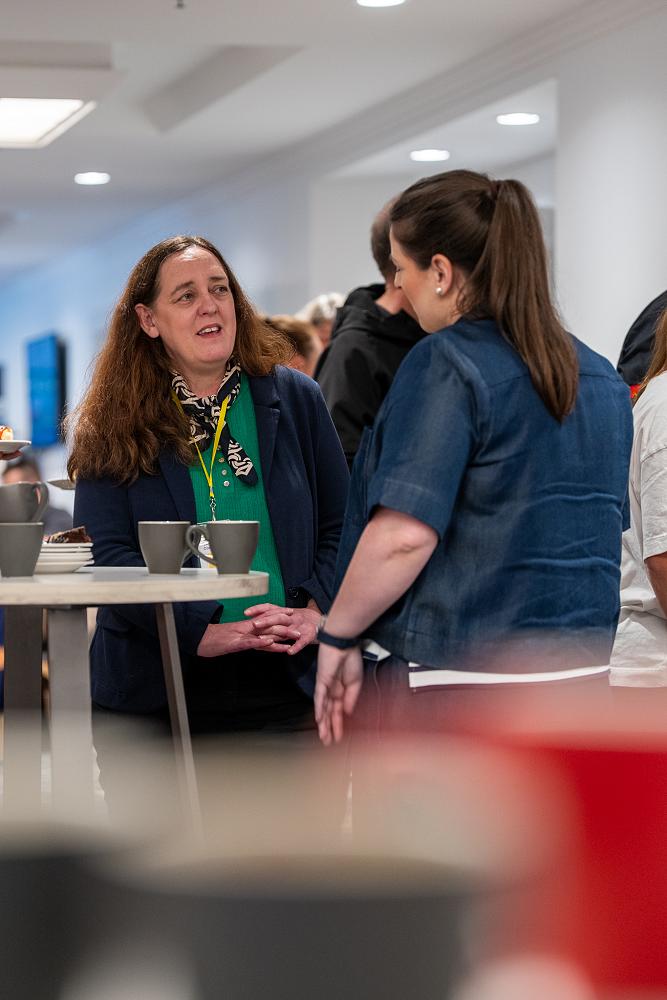
Feedback from this year’s Small Schools Conference has been overwhelmingly positive, reflecting the significant value the event provides to the small school community. Attendees consistently commented on the high level of organisation and relevance of the conference program. Many appreciated the welcoming atmosphere and the opportunity to network, connect with peers, and share experiences unique to the small school setting. The venue was described as excellent, offering an ideal environment for learning and collaboration, while catering received glowing remarks for its quality and inclusiveness, with most dietary requirements well supported.
The keynote and guest speakers were a particular highlight. Attendees praised the keynote sessions for their relevance to small school contexts and the practical takeaways provided. The presence of Professor Martin Westwell and The Honourable Lucy Hood was especially appreciated, with many attendees remarking that their participation signalled strong appreciation at the highest levels for the work of small schools across South Australia.
Workshops throughout the day were described as engaging and practical, directly supporting the needs of both leaders and classroom teachers in small school environments. In particular, the afternoon workshops conducted by Kirsty Lush from Real Schools received outstanding feedback, with participants valuing the practical tools and strategies related to restorative practice, effective communication, and school leadership. The diversity of topics was also noted, ensuring that a wide range of day-to-day challenges and opportunities for small schools were meaningfully addressed.
Attendees also offered thoughtful suggestions to enhance future conferences. Many requested even more opportunities for networking and collaborative discussion, as well as the chance to delve deeper into real-world case studies from other small schools. There was also a call for an expanded range of breakout topics and additional hands-on practical sessions tailored to classroom teaching.
Representative comments included: “A fantastic opportunity to connect with others in small schools – I am leaving inspired and with new strategies to trial,” and, “Kirsty Lush’s sessions were the highlight – practical, real, and instantly useful.” Another noted, “It was great to see Department leaders and the Minister take an interest in our sector.”
Our organisers will carefully consider all suggestions to ensure the 2028 conference continues to meet and exceed the evolving needs of small schools.
Thank you to all attendees, sponsors, speakers, and organisers for making the Small Schools Conference 2026 a true celebration of community and innovation.
For more updates, resources, and to get involved, please connect with the Small Schools Association via our new website(coming soon) and mailing list.